EveryEvent Honolulu

Alle Events durchsuchen

Find every event in Honolulu

events

Concerts & Live Music
Festivals
Sports & Recreation
Food & Drink
Arts & Culture
Community
Family & Kids
Nightlife
Comedy
Theater
Beliebte Reiseziele
BaliSedonaLos AngelesCosta RicaNew YorkSan FranciscoAustinMiamiJoshua TreeTulum
Alle Kategorien anzeigenAlle Reiseziele anzeigen

Alle Funktionen entdecken

Leistungsstarke Tools für Ihre Veranstaltungen

Plattform-Funktionen

Intelligente dynamische Preisgestaltung
Ticket-Kategorien
Sitzplatzreservierung
Warenkorbabbruch-Wiederherstellung
Besucher-Wiedergewinnung
Spenden & Staffelpreise
Affiliate-System
Ticket-Scanner
Rabattcodes
Individuelle Fragen
Ticket-Teilen
Upsells & Add-ons
Analysen & Berichte
E-Mail-Sequenzen
Warteliste / Benachrichtigen / Erinnern
Entdecken
Discovery HubArtists & PerformersVenuesKnowledge Base
Alle Funktionen anzeigenÜber uns
PreiseBlog
Alle Veranstaltungen durchsuchen

events

Concerts & Live MusicFestivalsSports & RecreationFood & DrinkArts & CultureCommunityFamily & KidsNightlife

Beliebte Reiseziele

BaliSedonaLos AngelesCosta RicaNew YorkSan Francisco

Entdecken

Discovery HubArtists & PerformersVenuesKnowledge Base

Plattform-Funktionen

Intelligente dynamische PreisgestaltungTicket-KategorienSitzplatzreservierungWarenkorbabbruch-WiederherstellungBesucher-WiedergewinnungSpenden & StaffelpreiseAffiliate-SystemTicket-ScannerRabattcodesIndividuelle FragenTicket-TeilenUpsells & Add-onsAnalysen & BerichteE-Mail-SequenzenWarteliste / Benachrichtigen / Erinnern
Alle Funktionen anzeigenÜber uns
PreiseBlog
AnmeldenRegistrierenVeranstalter
  • Browse All Events
  • Concerts & Live Music
  • Festivals
  • Sports & Recreation
  • Food & Drink
  • Arts & Culture
  • Community
  • Family & Kids
  • Nightlife
  • Alle Kategorien →
  • All Destinations →
  • For Promoters
  • For Artists
  • For Venues
  • For Festivals
  • For Event Spaces
  • For Nonprofits
  • For Bloggers
  • For Speakers
  • Brand Ambassador
  • Case Studies
  • 350.000+ Käufernetzwerk
  • Warenkorbabbruch-Wiederherstellung
  • Intelligente dynamische Preisgestaltung
  • Ticket-Kategorien
  • Wiederkehrende Veranstaltungen
  • Sitzplatzreservierung
  • Affiliate-System
  • Warteliste / Benachrichtigen
  • Ticket-Scanner
  • Einbettungs-Widget
  • Event Syndication
  • Message Center
  • Integrations
  • Reports
  • Alle Funktionen →
  • Über uns
  • The Ecosystem
  • Blog
  • Glossar
  • Inspiration
  • Hilfe-Center
  • Kontakt
  • API-Dokumentation
  • Marken-Assets
  • Karriere
  • Presse
  • Nutzungsbedingungen
  • Datenschutzrichtlinie

Events

  • Browse All Events
  • Concerts & Live Music
  • Festivals
  • Sports & Recreation
  • Food & Drink
  • Arts & Culture
  • Community
  • Family & Kids
  • Nightlife
  • Alle Kategorien →

Getaways

  • All Destinations →

For Organizers

  • For Promoters
  • For Artists
  • For Venues
  • For Festivals
  • For Event Spaces
  • For Nonprofits
  • For Bloggers
  • For Speakers
  • Brand Ambassador
  • Case Studies

Funktionen

  • 350.000+ Käufernetzwerk
  • Warenkorbabbruch-Wiederherstellung
  • Intelligente dynamische Preisgestaltung
  • Ticket-Kategorien
  • Wiederkehrende Veranstaltungen
  • Sitzplatzreservierung
  • Affiliate-System
  • Warteliste / Benachrichtigen
  • Ticket-Scanner
  • Einbettungs-Widget
  • Event Syndication
  • Message Center
  • Integrations
  • Reports
  • Alle Funktionen →

Unternehmen

  • Über uns
  • The Ecosystem
  • Blog
  • Glossar
  • Inspiration
  • Hilfe-Center
  • Kontakt
  • API-Dokumentation
  • Marken-Assets
  • Karriere
  • Presse
  • Nutzungsbedingungen
  • Datenschutzrichtlinie
EveryEvent
© 2026 EveryEvent Honolulu. Alle Rechte vorbehalten.
Inspiration

Balance Present Moment AwarenessWith Responsible Action

Eckhart Tolle
Eckhart Tolle
Dec 15, 2025
7 min read

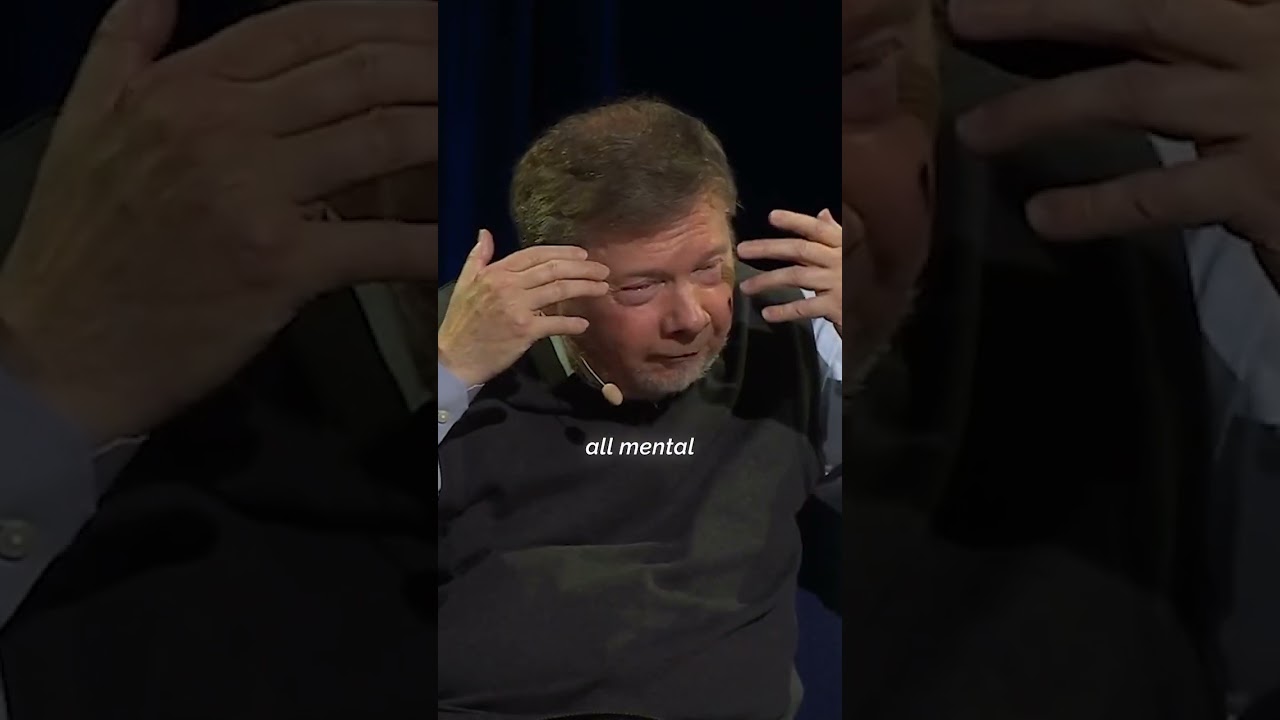
TLDR: A common misconception about spiritual presence is that if everything feels okay in the moment, you don't need to do anything at all. This leads to spiritual bypassing—using meditation and mindfulness as an escape from life's responsibilities. Eckhart Tolle explains how genuine presence actually enables wiser, more grounded action in the world, and clarifies the paradox of being fully present while still responding to practical needs, relationships, and long-term consequences.

Read · 8 sections

What Does "Being Present" Actually Mean?

The invitation to live in the present moment—a cornerstone of contemporary mindfulness and spiritual teaching—can confuse people about what action means. When a teacher says "everything is okay right now," it's easy to interpret this as permission to do nothing, to stop planning, to avoid responsibility. This confusion creates a real problem: people who sincerely practice presence sometimes find themselves detached from the consequences of their choices and obligations to others.

Eckhart Tolle addresses this directly in this talk. True presence doesn't mean ignoring reality; it means grounding yourself in awareness while you engage with the practical world. The present moment is the only place where actual action happens—not in thoughts about the future or regrets about the past, but in the real, concrete here-and-now. This distinction is crucial.

Why Does the Present Moment Feel So Good?

When you drop out of habitual thinking and come into the present moment, there is often a sense of ease, okayness, or peace. This isn't an illusion—it's real. When you're not lost in anxious thoughts about tomorrow or replaying yesterday, your nervous system often settles. Your body feels different. The incessant mental commentary that ordinarily filters your experience falls away.

The trap emerges when someone concludes from this experience: "If I feel okay now, why should I do anything?" This logic assumes that the present moment should remain frozen, that nothing needs to change, that future consequences don't matter because you're not thinking about them right now. This is where spiritual understanding becomes spiritual avoidance.

The Difference Between Escape and Authentic Presence

There's a crucial difference between using meditation or presence as an escape hatch from life, and using presence as the ground from which wise action emerges. When you're truly present, you're not dissociated from the world—you're more available to it. Your senses are sharper. Your intuition is more accessible. You can perceive what actually needs to happen, not what your anxious mind thinks should happen.

The person who avoids difficult conversations because they're "staying in the present moment" is not actually present—they're using presence as a spiritual justification for avoidance. Real presence would involve feeling the discomfort of the conversation AND engaging in it anyway, because you can perceive that the conversation serves something larger than your momentary comfort.

Tolle emphasizes that presence is not about rejecting the future; it's about relating to the future from a grounded, aware place rather than from compulsive reactivity or anxiety. When you plan responsibly from the present moment, you're not living in your thoughts about the future—you're inhabiting your body and awareness while your mind attends to practical needs.

How Does Presence Enable Better Action?

Paradoxically, being fully present actually leads to more effective, intelligent action. When you're not caught in emotional reactivity or mental loops, you can perceive situations more clearly. You respond to what's actually needed rather than what your conditioned mind thinks is needed. You notice the subtle signals in relationships, in your work, in your circumstances that anxious thinking would normally obscure.

A parent who is present with their child isn't disconnected from their responsibility to set boundaries or provide structure. They set those boundaries from presence, which means the boundaries come from genuine care rather than from unconscious patterns of control. An employee who practices presence at work isn't rendered indifferent to their job quality—they're more likely to work with care and attention because they're actually here doing the work, not mentally escaping it.

The confusion often arises because spiritual teaching uses language like "nothing needs to change" or "everything is perfect as it is." These statements point to the perfection of reality itself, not to the idea that your actions don't matter. Reality includes cause and effect. Your choices have consequences. Ignoring that is not presence—it's dissociation wearing a spiritual mask.

The Role of Responsibility in Spiritual Life

Genuine spiritual maturity includes recognizing and honoring your responsibilities. You have responsibilities to people who depend on you—family, colleagues, community. You have responsibilities to yourself: your health, your learning, your growth. You have responsibilities to the broader world. Pretending these don't matter because you're "in the present moment" is a misunderstanding of what the present moment actually is.

The present moment includes the reality of these responsibilities. When you're truly present, you feel their weight. You don't minimize them or spiritually bypass them. Instead, you meet them from a place of clarity rather than panic or unconscious habit. This is why Tolle says that presence doesn't lead to passivity—it leads to more conscious, more responsive engagement with life.

Practical Examples: Where Presence and Action Meet

Consider a practical scenario: you have a work deadline. A spiritual person might recognize that the deadline exists in the future, that anxiety about it is happening in the mind right now, and that at this moment you are okay. All true. But presence doesn't mean ignoring the deadline. It means working on the project while you're actually working on it—not half-present while part of your mind races toward catastrophe, and not dissociated into spiritual detachment.

Or consider a relationship issue. If a partner is hurt by something you've done, genuine presence doesn't mean ignoring their pain or your part in it because "it's all happening in the mind anyway." Real presence involves feeling your own discomfort, acknowledging theirs, and engaging in the difficult conversation or repair work that the relationship requires. That's where presence meets responsibility.

In financial matters, presence doesn't mean ignoring bills or long-term planning. It means engaging with these tasks from a calm, clear state rather than from fear-driven reactivity. You can make wise decisions about money precisely because you're not emotionally flooded.

Why Spiritual Teaching Can Be Misunderstood

Spiritual teachers often emphasize the timeless nature of the present moment, the sufficiency of now, the peace that's always available. These teachings point toward something real and valuable. But they're easily distorted by the mind that's looking for permission to avoid discomfort. A teaching meant to liberate from anxiety becomes a justification for negligence.

Part of spiritual maturity is recognizing where you might be using presence or non-attachment as a sophisticated form of avoidance. This requires honest self-inquiry: Am I really at peace, or am I dissociated? Am I responding to actual need, or am I hiding? The answer often becomes apparent when you notice the consequences of your choices. If your relationships are deteriorating, your health is declining, or your responsibilities are piling up, presence isn't working the way you think it is.

Tolle's teaching in this talk is an important corrective: presence and wise action are not opposites. Presence is the foundation from which truly responsible action emerges. You can be fully here now AND plan for tomorrow. You can feel peaceful AND do what needs to be done. These are not contradictions—they're expressions of a more integrated, mature spiritual practice.

Where to Go From Here

If you find yourself struggling with this balance, the invitation is to pay attention to the results of your choices. Are you more present, or more checked out? Are your relationships improving or deteriorating? Is your work more engaged or more avoidant? These are not spiritual questions—they're practical ones. Your life itself is telling you whether your understanding of presence is accurate or distorted.

Consider spending time practicing presence while you're engaged in activity—working, caring for others, moving your body. Notice what kind of presence enables better outcomes and what kind of presence is actually dissociation in disguise. The teaching isn't in the concept; it's in the lived experience of learning to be fully here while fully engaged with your life.

Eckhart Tolle
AuthorEckhart Tolle

German-born spiritual teacher whose 1997 book The Power of Now became one of the most widely read spiritual works of the 21st century. After a profound transformation at 29 — movin…

View profileWebsite
Explore Topics
PresenceMindfulnessResponsibilitySpiritual-bypassingPresent-moment-awareness

Got Questions?

Frequently Asked Questions

Real presence doesn't mean dissociation from practical life—it means engaging with your responsibilities from a calm, clear state rather than from fear or reactivity. True presence actually makes you more aware of what needs to happen, not less. You can plan for the future, maintain relationships, and work toward goals while remaining grounded in the present moment. The key is noticing whether your "presence" is resulting in better outcomes and stronger relationships, or whether it's become a spiritual justification for avoidance.
Yes. The present moment is not a frozen state—it includes your capacity to think about and plan for the future. The difference is that you're thinking about the future from a grounded, aware place rather than from anxious reactivity or compulsive mental loops. When you plan or act with real presence, you're inhabiting your body and consciousness while your mind attends to practical needs, rather than mentally escaping into future scenarios.
When you drop into genuine presence, your nervous system often settles and you feel ease. This is real, but it can be misinterpreted as meaning nothing needs to change. The okayness you feel is about your internal state becoming less reactive—not about the external reality no longer requiring action. The mistake is assuming that because you feel peaceful now, you don't need to engage with future consequences or address real problems that affect yourself and others.
No. Spiritual bypassing uses spiritual concepts like presence as an escape from uncomfortable reality. It feels like presence because there's a sense of detachment and peace, but it's actually dissociation. Real presence makes you more available and responsive to life, not less. You can check this in yourself by looking at the practical results: Are your relationships stronger? Is your work more engaged? Or are things falling apart while you claim to be spiritual?
When you're truly present rather than caught in emotional reactivity or mental loops, you perceive situations more clearly and respond to what's actually needed rather than to habitual patterns. Presence reduces the emotional flooding and cognitive distortion that ordinarily clouds decision-making, allowing you to think more clearly about both immediate needs and long-term consequences.
Yes. Genuine presence doesn't require you to be dissociated from discomfort. You can feel the difficulty of a task or conversation and engage with it anyway from a grounded, clear state. This is different from the mental reactivity and resistance that ordinarily accompanies difficult work. You're present with the difficulty rather than lost in thoughts about it.
Planning from presence means thinking about the future with your full attention while remaining grounded in your body and aware of your actual state. Anxious future-thinking is when your mind is caught in worry or catastrophic scenarios, and your body is tense with reactivity. The first leads to wise decisions; the second leads to compulsive or reactive choices. You can tell the difference by noticing your nervous system state while you're thinking.
Not at all. Real presence includes awareness of how your choices affect others and the world around you. Genuine presence actually makes you more aware of consequences because you're not mentally escaping from them. Using presence as an excuse to ignore consequences is spiritual avoidance, not authentic presence.

Continue Reading

More from Eckhart

View All
God Beyond the Sky: Rethinking Divine Nature
Featured

God Beyond the Sky: Rethinking Divine Nature

God is not an external judge deciding human suffering. Suffering itself becomes the mechanism through which consciousness awakens to itself.…

1 min read
God, Suffering, and the One Life Across Traditions
Featured

God, Suffering, and the One Life Across Traditions

Eckhart Tolle explores how Islam, Buddhism, and Greek philosophy all point to the same ultimate reality—and why the problem of suffering dis…

1 min read
Why Humanity Cannot Sit in Silence: Disconnection from Being
Featured

Why Humanity Cannot Sit in Silence: Disconnection from Being

The root of human conflict lies in disconnection from the being dimension—the inability to find peace when alone. When disconnected from bei…

1 min read
Who You Really Are Beyond Surface Identity
Featured

Who You Really Are Beyond Surface Identity

You are not your body, name, or conditioned mind. Eckhart Tolle reveals the distinction between surface identity and deeper being.…

1 min read

Keep exploring

Continue your journey

More wisdom and gatherings from across the BrightStar directory.

More Articles

Browse the full library of teachings, interviews, and guides.

Back to all articles →

Teachers & Artists

Explore the lineages, musicians, and guides of the conscious world.

Explore artists →

Find an Event

Kirtan, retreats, sound baths, breathwork, festivals — happening soon.

Browse events →
Read more from BrightStarCreate Free Account
Host your own gatherings?Try the Demo