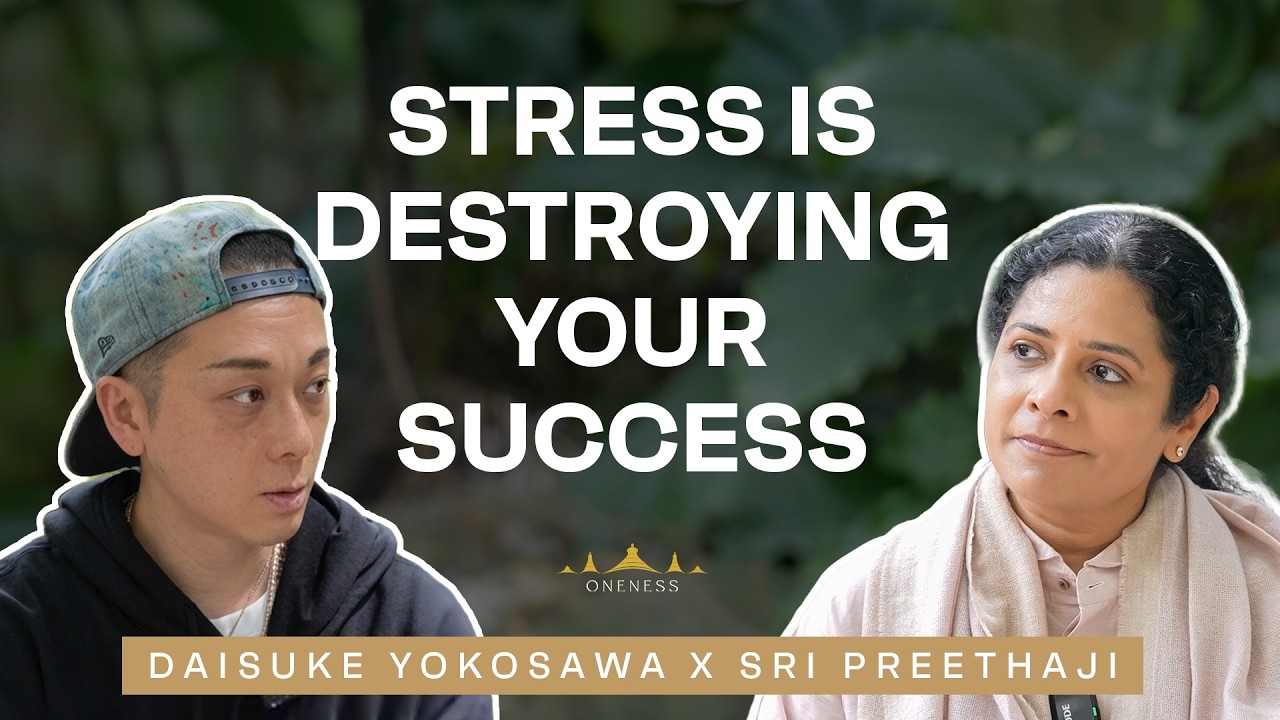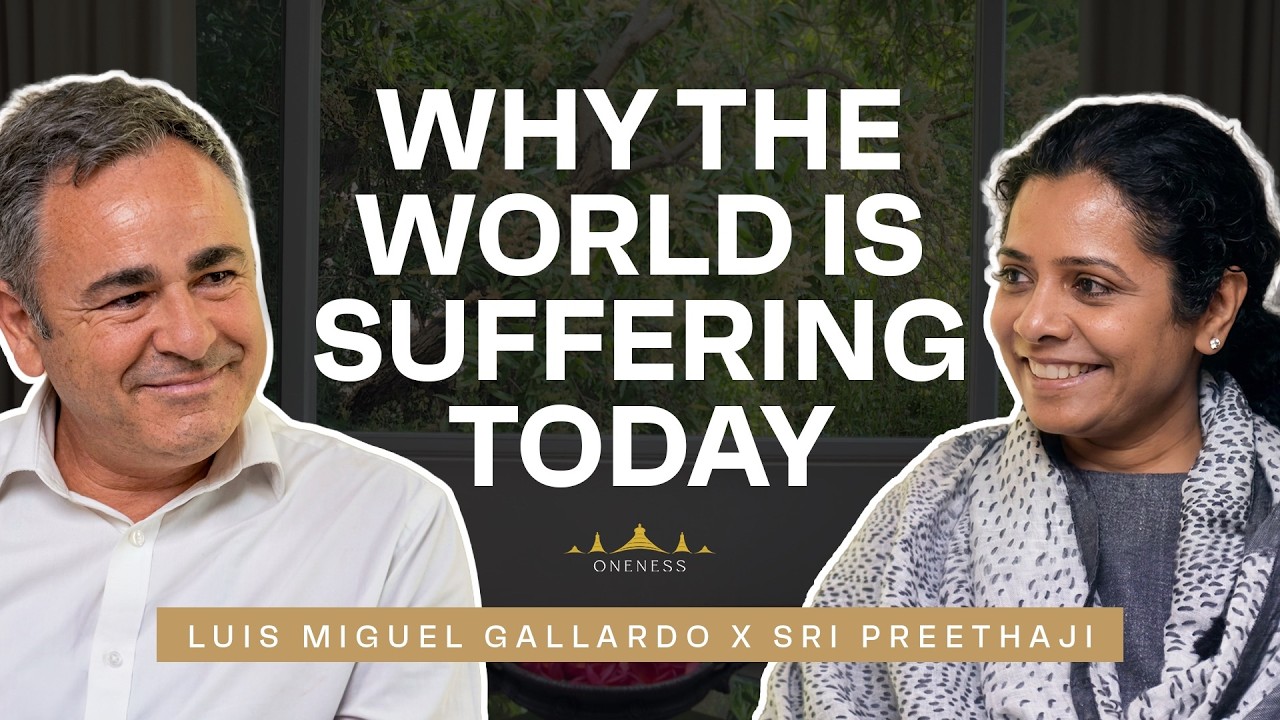
In a conversation exploring dharma, destiny, and money mindset, the discussion centers on a counterintuitive idea: the pursuit of success and wealth does not require sacrificing your inner peace. Rather, cultivating a calm, connected inner state becomes the actual foundation for lasting abundance. The teaching emphasizes that your internal world—your thoughts, unhealed wounds, and emotional patterns—quietly shapes everything external: your financial opportunities, relationships, health, and the quality of life you experience. By addressing deeply buried hurts, especially those rooted in childhood, and learning to rest in a state of inner calm, you gain access to clearer intuition, better decision-making, and the ability to create wealth from a place of genuine presence rather than anxiety-driven striving.
Why Does Inner Calm Matter More Than Hustle?
The conventional wisdom around success often treats stress, anxiety, and relentless effort as necessary ingredients. You are told that wealth and achievement demand sleepless nights, constant worry about the future, and a perpetual sense of not-enough-ness. This conversation challenges that assumption at its root.
The core insight is simple but profound: your inner state is not a luxury add-on to success—it is the actual operating system from which all external results emerge. When you are operating from stress and anxiety, your nervous system is in survival mode, which narrows your perception, limits your creativity, and makes you reactive rather than responsive. You make decisions from fear, miss subtle opportunities, and attract circumstances that match your vibration of scarcity.
Conversely, when you cultivate a calm, grounded inner state, your intuition becomes sharper, your perception widens, and you naturally attract and recognize opportunities aligned with your deeper values. Calm does not dull ambition—it clarifies it. You move toward your goals not from desperation but from genuine alignment with what matters to you. This shift in internal state fundamentally changes the quality and sustainability of your success.
How Does Your Inner World Shape Your Relationship With Money?
Money mindset is not primarily about affirmations or intellectual belief shifts. It is rooted in your earliest experiences, the messages you absorbed about worthiness, scarcity, and your right to abundance. These patterns often trace back to childhood wounds—moments when you felt unsafe, unseen, or undeserving.
The teaching suggests that many people carry an unconscious belief that they do not deserve abundance, that money is unsafe, or that their worth is conditional. These beliefs run on autopilot, silently sabotaging financial decisions, relationships with partners around money, and your ability to receive. You might intellectually want wealth but emotionally repel it through self-limiting behaviors, procrastination, or impulsive decisions that undermine your financial security.
Healing the inner child—the part of you that absorbed these early messages—is not sentimental work. It is the foundation for genuine money mindset transformation. When you address the emotional roots of your relationship with money, you free up the energy that was locked in protection and fear. You can then make financial decisions from clarity rather than compulsion, save from a sense of safety rather than deprivation, and invest from confidence rather than desperation.
What Is Dharma and How Does It Connect to Purpose?
Dharma is often translated as "duty" or "purpose," but it carries a more nuanced meaning in this teaching. Your dharma is not something imposed on you from outside—it is the unique expression of your gifts, values, and the contribution only you can make in your specific time and context.
Many people feel stuck when searching for purpose because they are waiting for a lightning bolt of clarity or trying to live someone else's dharma. The teaching suggests that dharma reveals itself through a different approach: by healing your inner wounds and moving into a calm, connected state, you naturally become attuned to what genuinely matters to you. Your authentic desires and gifts emerge more clearly when they are not clouded by fear, trauma, or the need for external validation.
This is where ikigai—the Japanese concept of finding joy in what you do—intersects with dharma. Your purpose is not necessarily a grand mission. It can be found in how you parent, how you lead, the quality of presence you bring to relationships, the way you earn and use your resources. When you stop searching desperately for purpose and instead cultivate an inner state of peace and presence, your dharma tends to become visible. You see where your gifts are needed, where you naturally contribute, and where you feel aligned.
How Does Healing Past Wounds Enable Future Abundance?
The concept of emotional healing is often dismissed as indulgent or tangential to practical success. This teaching inverts that assumption: unhealed wounds are an invisible ceiling on your capacity to create and receive abundance.
Deeply buried hurts—often from childhood—create patterns of self-protection that feel normal to you because they have been running your entire life. You might unconsciously sabotage good relationships to avoid deeper connection (because connection once felt unsafe). You might refuse to ask for raises or charge what you are worth (because you absorbed a message that your needs are not important). You might stay in situations that drain you (because you learned that your own comfort does not matter). These patterns feel like personality traits or just "how you are," but they are actually protective strategies that once served you and now limit you.
The healing process involves bringing awareness to these patterns, understanding their origin, and gradually releasing the grip they have on your choices. This is not about blaming your parents or dwelling in victimhood. It is about reclaiming agency. As you heal, you naturally become capable of creating wealth from a place of self-respect rather than self-abandonment, attracting relationships based on genuine connection rather than desperate need, and making decisions aligned with your own wellbeing rather than old survival patterns.
What Does It Mean to Create Wealth From Awakened Presence?
The "Happy Money" perspective brought into this conversation offers a grounded framework for conscious wealth creation. It is not about rejecting money or pretending that financial security does not matter. Rather, it is about building wealth in a way that aligns with your values and does not extract a cost on your peace, relationships, or health.
When you create wealth from a state of awakened presence, several shifts occur. First, you move beyond earning from desperation or compulsion. You make choices about your work, business, or investments with clearer judgment because you are not operating from scarcity. Second, you relate to money as a tool and expression of value rather than as a measure of your worth. You can pursue financial goals without tying your self-esteem to the outcome. Third, you naturally become more generous and wise with money because you are not hoarding from fear. You invest in things that matter, share with others, and use wealth as a means to create more ease and meaning in your life and in your community.
This approach also shifts how you earn. Instead of grinding through work you resent to accumulate money you do not enjoy, you begin to align your work with your gifts and values. You become willing to be visible, to ask for what you are worth, and to create value in ways that feel authentic to you. The quality of presence you bring to your work actually increases your effectiveness and the opportunities that come your way—not through manipulation but through genuine competence, creativity, and connection.
How Does Calm Sharpen Intuition and Decision-Making?
Intuition is not mystical—it is your nervous system's ability to perceive patterns and signals that your conscious mind has not yet consciously registered. When you are in a state of chronic stress and anxiety, your nervous system is flooded with cortisol and adrenaline, which actually dampens your ability to perceive subtle information. You become reactive, responding only to obvious threats or immediate demands.
As you cultivate inner calm, your nervous system settles and becomes more sensitive. You can pick up on nuances in conversations, notice opportunities that do not announce themselves loudly, and sense when something is or is not aligned with your values. This heightened perception is not spiritual magic—it is the natural result of a nervous system that is not consumed with survival.
In practical terms, this means you make better decisions in business, relationships, and personal choices. You are less likely to make impulsive decisions you later regret. You can sense when an opportunity, person, or investment is genuinely aligned with you versus when it is being driven by fear of missing out or desperation to prove yourself. This clarity is enormously valuable in building a sustainable, aligned life.
Where to go from here
The invitation embedded in this teaching is not to transcend ambition or financial responsibility. It is to fundamentally shift the basis from which you pursue these things. The next step is to begin where you are: notice the actual quality of your inner state as you move through your day. Are you relaxed or tense? Present or anxious? Aligned or fragmented? Without judgment, simply observe. From that observation, you can begin to identify where healing or recalibration might serve you.
For those drawn to deeper work, the teaching points toward guided practices, meditation, and intentional healing of childhood wounds as practical pathways to shifting your inner state. As your inner calm deepens, watch what becomes visible about your authentic purpose, your genuine desires, and the opportunities that align with who you actually are.