EveryEvent Honolulu

Browse All Events

Find every event in Honolulu

events

Concerts & Live Music
Festivals
Sports & Recreation
Food & Drink
Arts & Culture
Community
Family & Kids
Nightlife
Comedy
Theater
Popular Destinations
BaliSedonaLos AngelesCosta RicaNew YorkSan FranciscoAustinMiamiJoshua TreeTulum
View All CategoriesView All Destinations

Explore All Features

Powerful tools to grow your events

Platform Features

Smart Dynamic Pricing
Ticket Categories
Assigned Seating
Abandoned Cart Recovery
Visitor Recovery
Donations & Sliding Scale
Affiliate Engine
Ticket Scanner
Coupon Codes
Custom Questions
Ticket Sharing
Upsells & Add-ons
Analytics & Reporting
Email Sequences
Waitlist / Notify / Remind
Explore
Discovery HubArtists & PerformersVenuesKnowledge Base
View All FeaturesAbout Us
PricingBlog
Browse All Events

events

Concerts & Live MusicFestivalsSports & RecreationFood & DrinkArts & CultureCommunityFamily & KidsNightlife

Popular Destinations

BaliSedonaLos AngelesCosta RicaNew YorkSan Francisco

Explore

Discovery HubArtists & PerformersVenuesKnowledge Base

Platform Features

Smart Dynamic PricingTicket CategoriesAssigned SeatingAbandoned Cart RecoveryVisitor RecoveryDonations & Sliding ScaleAffiliate EngineTicket ScannerCoupon CodesCustom QuestionsTicket SharingUpsells & Add-onsAnalytics & ReportingEmail SequencesWaitlist / Notify / Remind
View All FeaturesAbout Us
PricingBlog
Log inSign UpEvent Organizers
  • Browse All Events
  • Concerts & Live Music
  • Festivals
  • Sports & Recreation
  • Food & Drink
  • Arts & Culture
  • Community
  • Family & Kids
  • Nightlife
  • All Categories →
  • All Destinations →
  • For Promoters
  • For Artists
  • For Venues
  • For Festivals
  • For Event Spaces
  • For Nonprofits
  • For Bloggers
  • For Speakers
  • Brand Ambassador
  • Case Studies
  • 350K+ Buyer Network
  • Abandoned Cart Recovery
  • Smart Dynamic Pricing
  • Ticket Categories
  • Recurring Events
  • Assigned Seating
  • Affiliate Engine
  • Waitlist / Notify
  • Ticket Scanner
  • Embed Widget
  • Event Syndication
  • Message Center
  • Integrations
  • Reports
  • All Features →
  • About
  • The Ecosystem
  • Blog
  • Glossary
  • Inspiration
  • Help Center
  • Contact
  • API Docs
  • Brand Assets
  • Careers
  • Press
  • Terms of Service
  • Privacy Policy

Events

  • Browse All Events
  • Concerts & Live Music
  • Festivals
  • Sports & Recreation
  • Food & Drink
  • Arts & Culture
  • Community
  • Family & Kids
  • Nightlife
  • All Categories →

Getaways

  • All Destinations →

For Organizers

  • For Promoters
  • For Artists
  • For Venues
  • For Festivals
  • For Event Spaces
  • For Nonprofits
  • For Bloggers
  • For Speakers
  • Brand Ambassador
  • Case Studies

Features

  • 350K+ Buyer Network
  • Abandoned Cart Recovery
  • Smart Dynamic Pricing
  • Ticket Categories
  • Recurring Events
  • Assigned Seating
  • Affiliate Engine
  • Waitlist / Notify
  • Ticket Scanner
  • Embed Widget
  • Event Syndication
  • Message Center
  • Integrations
  • Reports
  • All Features →

Company

  • About
  • The Ecosystem
  • Blog
  • Glossary
  • Inspiration
  • Help Center
  • Contact
  • API Docs
  • Brand Assets
  • Careers
  • Press
  • Terms of Service
  • Privacy Policy
EveryEvent
© 2026 EveryEvent Honolulu. All rights reserved.
Inspiration

How Thoughts Create Unhappiness andWays to End It

Eckhart Tolle
Eckhart Tolle
Dec 19, 2025
6 min read

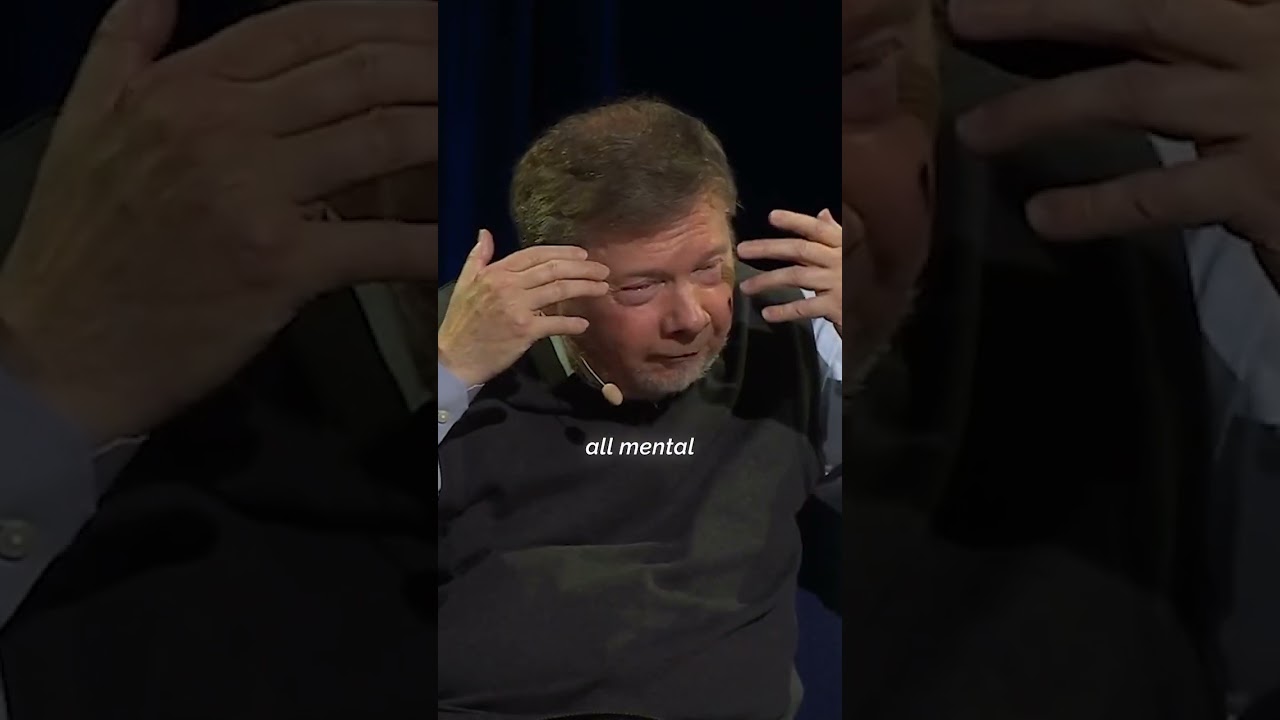
TLDR: Unhappiness arises not from circumstances themselves but from unchecked thoughts about those circumstances. The primary mechanism of psychological suffering is the automaticity of thinking—thoughts operating without awareness, generating narratives, judgments, and resistance. The moment you bring conscious attention to your thoughts, their compulsive power begins to diminish. This is not about positive thinking or thought-replacement, but about the simple act of noticing: when awareness is present, thoughts lose their grip and the mind returns to a more natural, peaceful state.

Read · 5 sections

What Is the Relationship Between Thoughts and Unhappiness?

Most people believe their unhappiness comes from external circumstances: a difficult relationship, financial stress, health problems, or life situations beyond their control. But according to this teaching, the actual root is not the circumstance itself—it is the unchecked stream of thoughts about that circumstance. A challenging situation becomes a source of suffering only when the mind generates a constant narrative of resistance, judgment, fear, or resentment toward it.

When thoughts operate automatically, without awareness, they become invisible. You don't notice them as thoughts; instead, you experience them as reality. You feel their emotional charge as if it is the truth of the situation. This mechanism—the automatic, unobserved quality of thinking—is the primary engine of psychological suffering. The thought "This should not be happening" or "I cannot handle this" does not arrive as a thought you can examine; it arrives as a felt truth, as the way things actually are.

The problem deepens because most people then try to change their circumstances in order to stop suffering. They may work to transform their external life, and while external change is sometimes necessary, it often leaves the fundamental mechanism of suffering intact. A person might resolve one difficult situation only to generate unhappiness about a new one, because the habit of automatic, unobserved thinking continues unchecked.

How Does Awareness of Thoughts Begin to Dissolve Unhappiness?

The teaching here is counterintuitive: you do not end unhappiness by fighting your thoughts, replacing them with positive ones, or trying to think your way to peace. Instead, unhappiness begins to release its grip the moment you notice your thoughts as thoughts. This is the function of awareness.

When you bring conscious attention to a thought—when you observe it rather than identify with it—something shifts. The thought loses its automatic, compulsive quality. It is no longer a reality you are embedded in; it becomes an object you can observe. This shift from unconscious thought to conscious observation is the key mechanism of liberation from suffering.

This is not a mental exercise or a coping strategy. It is a simple fact of consciousness: a thought that is observed is not the same as a thought that is unconscious. An unchecked thought creates unhappiness because you are fused with it, believing it completely. An observed thought, even if the same words appear in the mind, has far less power because there is now a separation—awareness is looking at the thought rather than being the thought.

The practical implication is that you do not need to become a positive thinker or develop willpower to suppress negative thoughts. You simply need to notice when thoughts are arising. The very act of noticing begins to loosen their grip. Over time, as you develop this capacity for awareness, the mind naturally becomes quieter, less reactive, and less caught in self-generated unhappiness.

What Happens When You Stop Resisting Your Thoughts?

Many people, upon hearing this teaching, try to adopt a "positive mindset" or attempt to force better thoughts. This approach usually fails because it keeps you locked in the same mechanism of automatic, unobserved thinking—now directed toward a different goal. You are still trying to control your mind rather than becoming aware of it.

In contrast, when you stop resisting your thoughts—when you simply allow them to be there and observe them—something unexpected occurs. The mind begins to settle naturally. This is not because the positive thoughts win out or because you have achieved a higher mental state. It is because the constant, unconscious effort to push thoughts away or fix them has stopped. That effort itself is exhausting and generates a subtle layer of unhappiness.

When awareness is present, thoughts may still arise, but they no longer carry the same emotional charge. A worried thought appears, but it is not fused with your identity or your sense of what is true. You notice it, and because you are noticing it, you are not completely identified with it. This creates space—a gap between you and the thought—and in that gap, freedom is possible.

How Does This Differ From Positive Thinking or Mental Discipline?

The teaching emphasizes that this is not about training yourself to think better thoughts or developing iron discipline over your mind. Those approaches still treat thoughts as something you need to manage or control, which keeps you in a relationship of tension with your own mind.

What is being offered is simpler and more radical: awareness itself. When you are aware of your thoughts, their automatic power dissolves. You do not need to replace a worried thought with an optimistic one; you simply notice both the worry and the impulse to replace it. You observe the whole dance, and in that observation, unhappiness loses its grip.

This is why people sometimes report that their unhappiness lifts not because they solved their problem, but because they stopped unconsciously resisting it. The same situation remains, but the quality of their mind has changed. They are no longer fused with a story of resistance and complaint; they are aware of the story as it arises.

Where to Go From Here

To apply this teaching, begin with a simple practice: throughout your day, pause occasionally and notice what thoughts are present. Do not try to change them or judge them. Simply observe. Notice the moment a thought about a problem or worry appears. Can you see it as a thought, separate from yourself? Can you watch it without immediately believing it and acting on it?

This practice requires no special technique or hours of meditation. It is simply a shift in the quality of attention you bring to your own mind. As you develop this capacity for noticing, you may find that many sources of unhappiness—worry about the future, rumination about the past, judgment of yourself and others—naturally lose their grip. The mechanism of unhappiness remains the same, but your relationship to it has fundamentally changed.

Eckhart Tolle
AuthorEckhart Tolle

German-born spiritual teacher whose 1997 book The Power of Now became one of the most widely read spiritual works of the 21st century. After a profound transformation at 29 — movin…

View profileWebsite
Explore Topics
Thoughts-unhappinessAwareness-consciousnessMental-sufferingThought-patternsMind-peace

Got Questions?

Frequently Asked Questions

Unchecked thoughts operate automatically, generating narratives of resistance, judgment, and fear about your circumstances. Because you are not aware of them as thoughts, you experience them as reality and feel their emotional charge as true. This mechanism—invisible, automatic thinking—is the primary source of psychological suffering, regardless of external circumstances.
Positive thinking often keeps you locked in the same cycle of automatic, controlled thinking—now directed toward optimistic thoughts instead of worried ones. True relief comes not from replacing bad thoughts with good ones, but from bringing awareness to all thoughts. When a thought is observed consciously, it loses its compulsive power over you.
An unconscious thought feels like reality—you are fused with it and experience its emotional charge as true. A noticed thought becomes an object of awareness rather than a reality you are embedded in. This shift from fusion to observation instantly reduces the thought's power to create unhappiness.
This teaching is not about stopping negative thoughts from arising. Instead, it is about noticing them without resistance so they lose their grip. Thoughts may continue to arise, but through awareness, they no longer carry the same emotional charge or feel absolutely true, which dissolves the unhappiness they generate.
Simply pause occasionally and observe what thoughts are present without trying to change them or judge them. Notice when a worried or repetitive thought appears—can you see it as a thought separate from yourself? This simple shift in attention, practiced regularly, gradually weakens the automatic power of thinking.
This teaching does not require a formal meditation practice, though meditation can develop the skill. Awareness of thoughts is simply a shift in the quality of attention you bring to your mind during daily life—noticing what is present rather than being lost in unconscious thinking.
External circumstances change, but the underlying mechanism of automatic, unobserved thinking continues. A person might resolve one difficult situation only to generate unhappiness about a new one. True relief comes from changing your relationship to thinking itself, not just changing circumstances.

Continue Reading

More from Eckhart

View All
God Beyond the Sky: Rethinking Divine Nature
Featured

God Beyond the Sky: Rethinking Divine Nature

God is not an external judge deciding human suffering. Suffering itself becomes the mechanism through which consciousness awakens to itself.…

1 min read
God, Suffering, and the One Life Across Traditions
Featured

God, Suffering, and the One Life Across Traditions

Eckhart Tolle explores how Islam, Buddhism, and Greek philosophy all point to the same ultimate reality—and why the problem of suffering dis…

1 min read
Why Humanity Cannot Sit in Silence: Disconnection from Being
Featured

Why Humanity Cannot Sit in Silence: Disconnection from Being

The root of human conflict lies in disconnection from the being dimension—the inability to find peace when alone. When disconnected from bei…

1 min read
Who You Really Are Beyond Surface Identity
Featured

Who You Really Are Beyond Surface Identity

You are not your body, name, or conditioned mind. Eckhart Tolle reveals the distinction between surface identity and deeper being.…

1 min read

Keep exploring

Continue your journey

More wisdom and gatherings from across the BrightStar directory.

More Articles

Browse the full library of teachings, interviews, and guides.

Back to all articles →

Teachers & Artists

Explore the lineages, musicians, and guides of the conscious world.

Explore artists →

Find an Event

Kirtan, retreats, sound baths, breathwork, festivals — happening soon.

Browse events →
Read more from BrightStarCreate Free Account
Host your own gatherings?Try the Demo