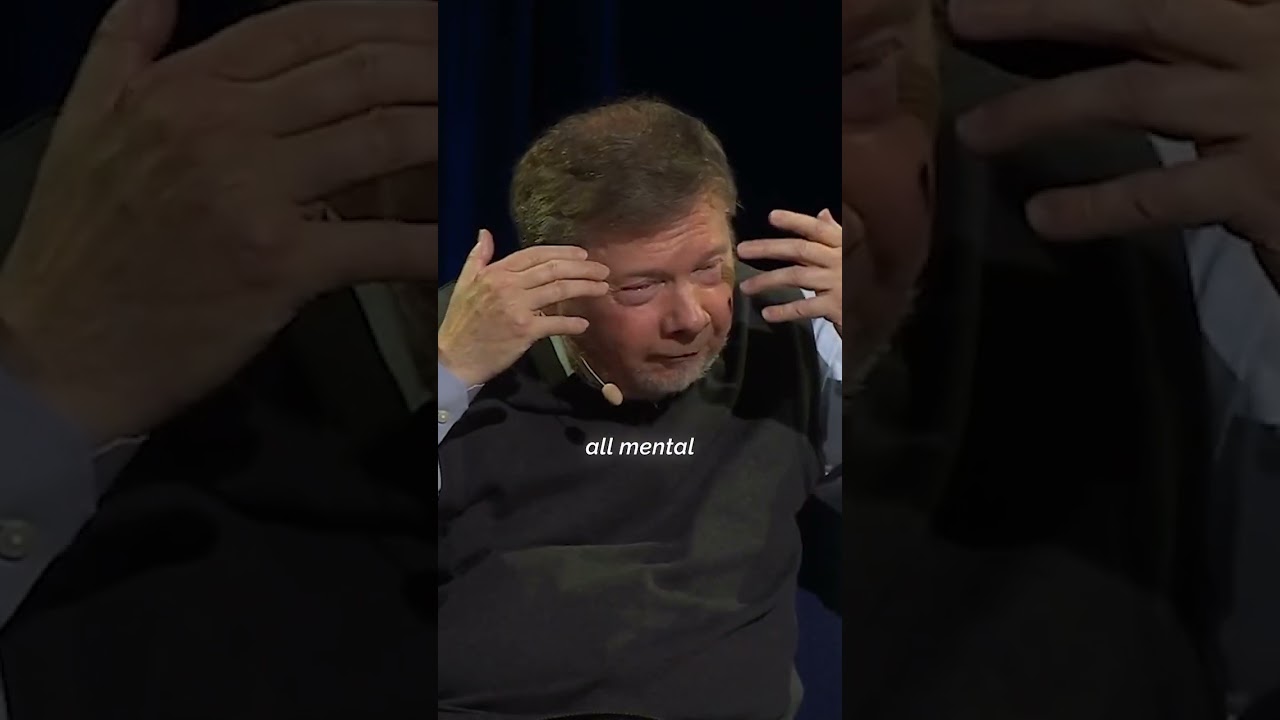
True inner peace is not the pursuit of ecstatic happiness or the absence of challenge, but rather a cultivated sense of aliveness and fulfillment that coexists with life's inevitable difficulties. It's a serene, vibrant energy accessed through presence and acceptance rather than through external achievement or circumstance.
What Is Inner Peace Really About?
The common misconception about inner peace is that it requires the elimination of all stress, conflict, or discomfort. In reality, peace is far more subtle and accessible than that framing suggests. Rather than chasing an unrealistic absence of problems, inner peace refers to a specific quality of energy and presence—one that is both calm and alive simultaneously. This state doesn't depend on everything going well externally; instead, it arises from a shift in how you relate to what's happening.
When most people think of peace, they imagine stillness or flatness—a passive state of doing nothing. What Tolle describes is quite different: a vibrant, dynamic aliveness that remains undisturbed by external turbulence. This distinction is crucial because it means you don't have to withdraw from life or become passive to be at peace. You can be fully engaged, taking action, making decisions, and moving through challenges while maintaining an inner sense of serenity.
How Does Inner Peace Differ From Joy or Happiness?
Happiness and joy are often tied to external circumstances—a promotion, a successful event, time with loved ones, or the fulfillment of desire. These emotions naturally rise and fall based on what happens in your life. Inner peace, by contrast, is a deeper, more stable foundation that can exist independently of whether circumstances are pleasant or difficult. You can experience peace during a period of loss, change, or challenge because peace is not contingent on happy circumstances.
This doesn't mean peace is dull or lifeless. It has its own vitality. When you're truly at peace, there's an aliveness to experience—a capacity to fully feel, perceive, and engage without the constant friction of resistance or complaint. Ecstatic joy comes and goes; peace is more like a steady hum of presence and acceptance beneath whatever emotions arise.
What Role Does Presence Play in Accessing Inner Peace?
The gateway to inner peace is presence—the capacity to be genuinely here, now, rather than trapped in thought patterns about the past or future. Most of the suffering people experience isn't actually happening in the present moment; it's a mental narrative layered on top of reality. You might be physically safe and resourced right now, but your mind is spinning stories of what went wrong yesterday or what might go wrong tomorrow. That mental activity creates a constant sense of unease.
When you drop into genuine presence—noticing what you can see, hear, feel, and sense without commentary—the anxiety often dissolves. This doesn't mean positive thinking or forcing yourself to feel better. It means stopping the mental elaboration and meeting what is actually here. In that gap between thought, peace is naturally available. The more you practice resting in presence, the more that peaceful aliveness becomes your baseline rather than a rare occurrence.
How Can You Cultivate Inner Peace Amidst Chaos?
Cultivating peace in the midst of life's chaos requires understanding that chaos itself is often external and temporary. Your thoughts about the chaos—the resistance, the worry, the sense of being overwhelmed—are what actually create inner turbulence. When you face a genuinely difficult situation, you have two layers of suffering: the situation itself, and your mental and emotional reaction to it.
A practical approach is to consciously shift your relationship to what's happening. Instead of being completely identified with the drama or problem, you can step back slightly and observe. This doesn't mean becoming cold or detached; it means widening your awareness to include both the situation and the space around it. When a challenge arises, rather than immediately contracting into panic or resistance, you can pause and ask: "What is actually here right now that I can work with?" This shift from reactivity to responsiveness opens access to clarity and peace.
Another dimension is acceptance of what you cannot control. Much of the tension people carry comes from fighting against reality as it is—wishing circumstances were different, blaming others, or criticizing themselves for not being further along. Acceptance doesn't mean liking what's happening; it means acknowledging what is true so you can work with it effectively rather than wasting energy in denial or complaint.
What Is the Relationship Between Inner Peace and Action?
A key insight is that inner peace and effective action are not opposed. In fact, action taken from a place of peace tends to be clearer and more effective than action driven by anxiety or desperation. When you're at peace, your thinking is less clouded by fear, your intuition is more accessible, and you can respond to situations with wisdom rather than knee-jerk reactivity.
This means you don't have to choose between being peaceful and being productive or engaged with life. You can handle your responsibilities, pursue your goals, and navigate difficulties while maintaining an underlying sense of aliveness and ease. The peace doesn't make you passive; it makes you more capable because you're not fighting yourself while you're also fighting external challenges.
Where to Go From Here
To deepen your exploration of inner peace, begin by noticing moments when you're truly present—absorbed in conversation, nature, music, or work that engages you fully. These moments reveal what peace feels like. You might then experiment with bringing that quality of presence into ordinary moments: feeling your feet on the ground as you walk, noticing your breath, or simply looking around with fresh attention.
Pay attention to how much of your day is spent in thought about past and future versus actually being here. Even small increments of genuine presence—a few conscious breaths while waiting, a moment of noticing your surroundings without judgment—gradually shift your baseline toward the peaceful aliveness that is always available. The peace you seek is not somewhere else or in the future; it's accessible in this moment, beneath the noise of thinking.