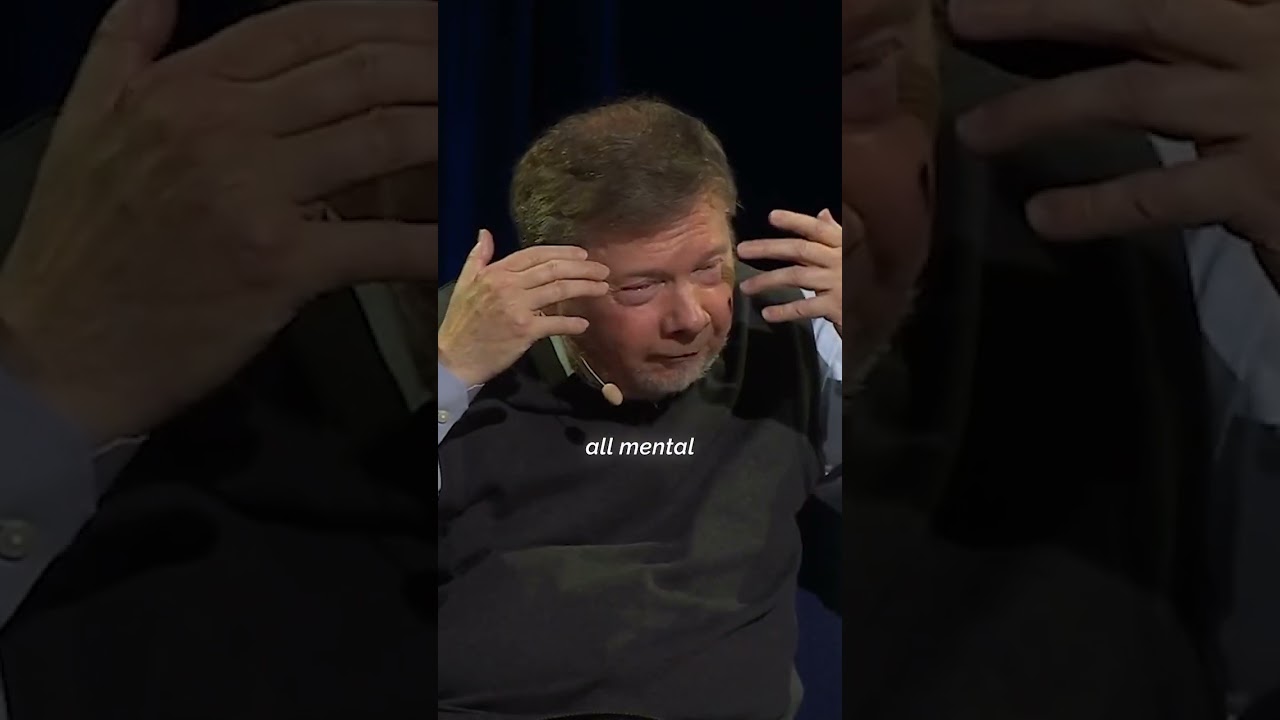
Many people become so consumed by tasks, obligations, and mental busyness that they lose touch with the present moment and the calm awareness that comes with it. Eckhart Tolle addresses a common experience—feeling overwhelmed and drowning under the weight of responsibilities—and offers a practical approach to staying grounded and present even when life demands full engagement. The core insight is that presence itself is not separate from action; you can remain aware and alert while handling what needs to be done.
Why Do We Feel Overwhelmed by Responsibilities?
The modern condition often involves a disconnect between what we think we should be doing and what we are actually doing in the present moment. When we get caught up in tasks and responsibilities, our consciousness typically splits: part of our attention is on the work itself, but a larger part is often lost in worry about the future, guilt about the past, or mental chatter about whether we're doing enough. This fragmentation creates the sensation of drowning—not because the work itself is impossible, but because we're fighting it mentally rather than flowing with it.
Tolle's core observation is that this overwhelm is not fundamentally about the quantity of tasks. Rather, it's about the relationship we have with those tasks. When you're fully present with an activity, even demanding or complex work becomes manageable. The problem arises when the mind creates a sense of resistance or burden around what needs to be done. You become identified with the stress rather than the action.
What Is the Difference Between Presence and Busyness?
Presence, in Tolle's teaching, refers to awareness of the current moment without judgment or resistance. Busyness, by contrast, is a mental state where the mind is constantly projecting into the future or rehashing the past, even while the body and hands are occupied with present-moment work. A person can appear very busy—checking off tasks, managing projects, staying productive—while being completely absent from their own life.
The paradox is that true presence often makes you more efficient, not less. When you're fully alert and aware in what you're doing, decisions come more quickly, creativity flows more naturally, and you make fewer mistakes. Conversely, when you're fragmented and stressed, you waste energy fighting the present moment, second-guessing yourself, and spinning in mental loops about whether you're managing well enough.
How Can You Stay Grounded While Handling Demands?
The practical teaching here is subtle but powerful: you don't have to choose between being present and being productive. Instead, you bring presence into the action itself. This means:
- Notice your breathing: Even while working, bring occasional awareness to your breath. This is an anchor to the present moment that requires no interruption of your activity.
- Feel your body: Tolle often points to body awareness as a gateway to presence. While typing, walking, or meeting with others, you can maintain a subtle awareness of your physical form. This prevents consciousness from getting entirely lost in thought.
- Accept what is: A significant part of feeling overwhelmed is resistance to the actual situation. When you accept that you have these tasks and this workload right now—rather than fighting the reality of it—the sense of drowning often diminishes immediately. Acceptance doesn't mean you like it; it means you stop wasting energy resisting what is already true.
- Do one thing at a time: Multitasking fragments consciousness. When you handle one task fully, even if you later move to another, you maintain an inner coherence that prevents the scattered, drowning feeling.
What Role Does Resistance Play in Overwhelm?
Tolle teaches that much of the suffering in modern life comes not from the work itself but from our resistance to it. When you're drowning in tasks, part of the sensation comes from an internal complaint or argument: "I shouldn't have this much to do," "This is too much," "I'm not handling this well enough." This mental resistance doubles the burden. You're not just doing the work; you're also fighting against the fact that you're doing the work.
When you cease this internal resistance—when you stop arguing with reality—the same tasks can feel entirely different. You move from a state of struggle to a state of action. The work is still real, but your relationship to it shifts. This doesn't require positive thinking or pretending you enjoy tasks you don't. It requires a kind of neutral acceptance: "This is what I'm doing now. I'm fully here for it."
How Does Presence Affect Decision-Making and Problem-Solving?
A secondary benefit of staying present amid responsibilities is that you actually think more clearly. When consciousness is scattered and you're operating from a state of stress and resistance, the mind functions in a reactive, narrow way. You see fewer options. You make decisions based on anxiety rather than clarity. But when you're present—when you're actually here with the problem or task—a different quality of intelligence becomes available. Solutions appear. Priorities become obvious. Your actions become more effective.
This is why Tolle emphasizes presence not as a luxury or spiritual indulgence but as a practical tool for actually managing life better. The person who stays grounded while handling ten tasks often accomplishes more and feels less burdened than the person who frantically juggles five tasks while mentally drowning.
What Is the Role of Awareness Beyond Thought?
Tolle consistently points to a dimension of consciousness that exists prior to thinking. This is the space of pure awareness—the simple fact of being conscious, of experiencing the present moment. When you're drowning in tasks, you've typically abandoned this space and become entirely identified with the mind's chatter: the worry, the to-do list, the judgment about whether you're doing well enough.
By bringing awareness to sensation—breath, body, the physical world around you—you re-establish contact with this deeper level of consciousness. It's not another task to add to your list. It's a shift in where your attention goes. Instead of being lost in thought about your responsibilities, you're present with the actual experience of handling them. This presence is itself calming and clarifying.
Where to Go From Here
If you're feeling overwhelmed by responsibilities, the first step is simply to notice it—without judgment. Notice the sensation of drowning, the mental chatter, the resistance. Don't try to fix it yet. Just be aware. From that awareness, small shifts become possible: a conscious breath, a moment of feeling your body, a deliberate choice to accept what is rather than fight it. These moments, accumulated throughout your day, change the quality of your presence and your experience of work. Over time, you'll likely find that you can handle more while feeling less burdened, because you're no longer fragmenting your consciousness through resistance.