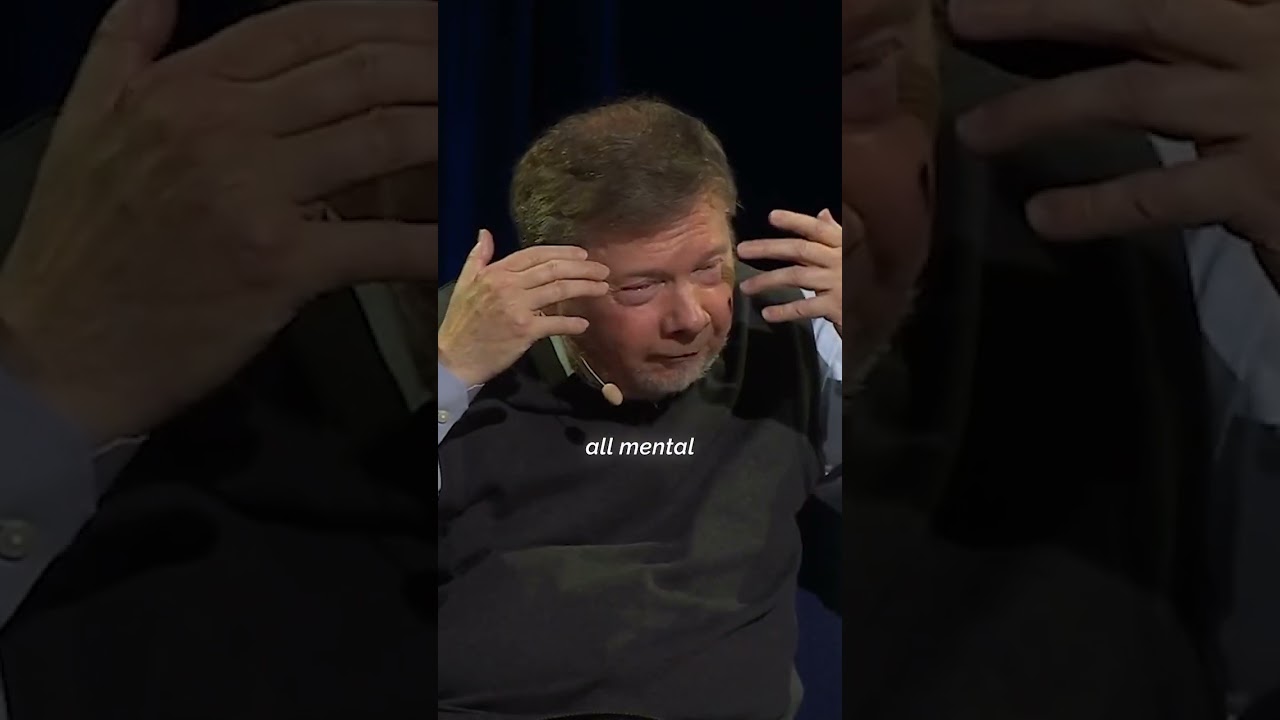
When intimate partners suddenly shift into reactive, hostile behavior, they are often not "choosing" to be difficult—their pain body, an accumulation of unresolved emotional and psychological wounds, has been triggered. Eckhart Tolle explains that the pain body seeks to perpetuate itself through drama, causing loving people to act in ways that contradict their deeper nature. By recognizing this mechanism, staying present instead of being pulled into reactivity, and not taking unconscious behavior personally, couples can interrupt the cycle of unconscious conflict and access genuine connection.
What Is the Pain Body and Why Does It Dominate Relationships?
The pain body is a collection of suppressed emotional pain—hurt, resentment, fear, anger—accumulated over a lifetime and stored in the body's cellular memory. Unlike acute pain, which passes, the pain body is a semi-autonomous entity that feeds on drama and negative emotion. In relationships, the pain body becomes hyperactive because intimate partnerships provide the densest concentration of emotional triggers. A partner's tone of voice, a perceived slight, even a glance can activate layers of past hurt that have nothing to do with the present moment.
When a person is in the grip of their pain body, they are no longer operating from their conscious self. They are acting from a place of accumulated unconsciousness—a reactive autopilot that has learned to defend, attack, or withdraw. This is why a loving partner can, within seconds, transform into someone who seems cruel, cold, or utterly irrational. The person you love may still be "in there," but they are temporarily not accessible because the pain body has taken over their nervous system and perception.
How Does the Pain Body Create Drama Cycles?
The pain body has a parasitic relationship with suffering. It does not want to heal; it wants to perpetuate itself by generating more pain, more conflict, more reason to feel wounded. This is why couples often find themselves repeating the same arguments, the same accusations, the same emotional patterns over and over. One partner says something, the other perceives it through the filter of the pain body (often distorting the actual meaning), and suddenly both people are locked in unconscious combat.
The pain body thrives on drama because drama produces the emotional intensity it feeds on. A quiet, peaceful moment feels intolerable to the pain body, so it manufactures conflict. A partner might deliberately say something hurtful, resurrect an old grievance, or interpret neutral behavior as rejection—all to maintain the cycle of pain that keeps the pain body "alive" and active. From the outside, this looks like sabotage. From the inside, the person caught in it experiences it as justified reaction to their partner's behavior.
Why Don't People Just Stop Being Unconscious?
The pain body is not a conscious choice; it is a habitual pattern so deeply embedded that it feels like reality itself. When triggered, a person genuinely believes their interpretation of events—they truly feel victimized, wronged, or threatened. The pain body hijacks the nervous system, releasing stress hormones, narrowing perception, and flooding consciousness with old stories and reactive impulses. The person is not "being difficult" deliberately; they are caught in an unconscious mechanical response.
This is critical to understand: the person lost in their pain body cannot "just stop" any more than you can stop your heart from beating through willpower alone. Consciousness must be brought to the pattern first. The moment awareness enters—the moment someone notices they are reacting from old pain rather than responding to what is actually happening now—the spell begins to break. But in the thick of a triggered state, that awareness is precisely what is missing.
How Does Presence Interrupt the Pain Body Cycle?
Presence—genuine awareness of the present moment—is the antidote to pain body reactivity. When you are truly present, you are not filtered through past wounds, future fears, or accumulated stories. You can perceive your partner as they actually are, not as a symbol of past betrayal or abandonment. You can also observe your own reactive impulses without being consumed by them.
The practice involves noticing when you feel triggered and pausing. Instead of immediately defending, arguing, or withdrawing, you become aware of what is actually happening in your body and mind in this moment. You might notice tightness in your chest, a surge of anger, or a flood of accusatory thoughts. That noticing is the beginning of freedom. It creates space between you and the automatic reaction, allowing you to choose a conscious response instead of being puppeted by the pain body.
When one partner stays present, they do not fuel the pain body drama. They do not return attack with attack, or withdraw with punishment. A calm, aware response from one person often has a de-escalating effect on the other. The trigger loses energy because it is not being fed by matching reactivity. Over time, a partner learns that conflict is less "productive" (for the pain body) when met with presence, and the cycle begins to weaken.
What Does It Mean to Not Take Unconscious Reactions Personally?
This is perhaps the most practical insight for couples: when your partner is reacting from their pain body, their behavior is not actually about you. The words they say, the accusations they make, the coldness they display—these are symptoms of their activated pain body, not truth statements about you or the relationship.
This does not mean the behavior is acceptable or that you should tolerate abuse. Rather, it means recognizing that your partner is suffering and caught in an unconscious pattern, just as you sometimes are. When you take the reaction personally, you activate your own pain body in return: "How could they say that? They must not love me. I need to defend myself." Now both people are in pain body reactivity, and the cycle intensifies.
If you can maintain enough awareness to not take it personally—to see the reaction as a symptom rather than a verdict—you remain more resourced and present. You are not drawn into the story the pain body is telling. This creates the possibility for genuine communication once the acute reactivity passes. Later, when both people are calmer, you can actually discuss what happened and what triggered whom, rather than continuing to defend your positions.
Can Couples Break Out of This Pattern?
Yes, but it requires that at least one person (ideally both) develops awareness of the pain body mechanism and commits to presence. The commitment is not to "be nice" or "communicate better" using old techniques. It is to notice when unconsciousness is arising and to choose presence instead. This might look like taking a break from a heated conversation, sitting in silence together, bringing awareness to the body, or simply naming what is happening: "I notice my pain body is activated right now."
Over time, as presence becomes more familiar, people spend less time locked in pain body reactivity and more time in genuine connection. They begin to recognize when they are triggered and can pause before acting it out. They learn to be curious about what past wound is being activated rather than assuming their partner is the problem. The relationship becomes a container for healing rather than a stage for unconscious drama.
This is not a one-time fix. The pain body does not disappear after one argument or one breakthrough. But with consistent practice of presence and awareness, its grip loosens. Couples find themselves returning to love more quickly, understanding each other more deeply, and moving through conflict with more grace.
Where to go from here
Begin noticing when you feel triggered in your intimate relationships. Rather than immediately acting on the reaction, pause and ask: Am I responding to what is actually happening now, or am I responding to an old story? What am I feeling in my body? Can I take a breath and return to presence before I respond? This simple practice of awareness is the foundation for breaking unconscious cycles and accessing the conscious love that exists beneath the pain body's noise.