The Wholeness of Non-Violence: A Contemplation on Ahimsa
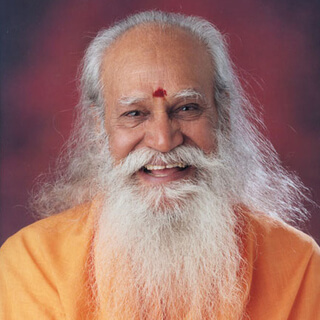
Swami Satchidananda's assertion that "Ahimsa applies to thought, word, and deed" invites us to explore the profound implications of non-violence in every aspect of our lives. This principle, rooted in the ancient wisdom of yoga, challenges us to consider how our intentions, expressions, and actions can either harm or heal. In a world often fraught with conflict and division, the call to practice ahimsa becomes not just a personal journey but a collective necessity for harmony and understanding.
To delve deeper, we must recognize that ahimsa transcends mere abstention from physical violence; it encompasses the subtler realms of our thoughts and speech. Each thought we harbor and every word we utter carries the potential to uplift or diminish the spirit of ourselves and others. By embracing this holistic view of non-violence, we are invited to cultivate a more compassionate and mindful existence, one that resonates with the interconnectedness of all beings.
The image / the metaphor
The imagery within Satchidananda's quote evokes a sense of wholeness and unity. The three elements—thought, word, and deed—are interconnected, forming a triad that reflects the complexity of human experience. The choice of the word "applies" suggests an active engagement with ahimsa, urging us to integrate this principle into the very fabric of our lives. It is not merely a passive state but a dynamic practice that requires vigilance and intention.
Diving deeper into the metaphor, we can envision ahimsa as a thread that weaves through the tapestry of our existence. Each thought is a stitch, each word a color, and each deed a pattern that contributes to the overall design of our interactions with the world. When we commit to non-violence in all these dimensions, we create a more harmonious and beautiful fabric, one that reflects the essence of our shared humanity.
In the speaker's tradition
Swami Satchidananda's teachings are deeply rooted in the tradition of integral yoga, which emphasizes the unity of body, mind, and spirit. Within this framework, ahimsa is not merely an ethical guideline but a fundamental aspect of dharma, the moral order that governs our actions and intentions. The practice of ahimsa aligns with the concept of kenosis, or self-emptying, where one relinquishes the ego's desires to embrace a more compassionate existence. This selflessness is essential for cultivating genuine connections with others and fostering a sense of community.
In the context of the Yoga Sutras of Patanjali, ahimsa is one of the five yamas, or ethical precepts, that guide practitioners toward a life of harmony and balance. Patanjali emphasizes that true non-violence arises from a deep understanding of the interconnectedness of all beings, echoing the sentiment found in the teachings of the Buddha regarding sunyata, or emptiness. This shared understanding invites us to recognize that our thoughts, words, and deeds are not isolated acts but part of a larger cosmic dance.
Living the teaching
Consider a modern scenario where the application of ahimsa can be transformative: a heated discussion in a workplace setting. In such moments, the temptation to respond with sharp words or dismissive thoughts can be strong. However, by consciously choosing to practice ahimsa, one can pause to reflect on the impact of their words and the underlying motivations driving their responses. This mindful approach not only diffuses tension but also fosters a more collaborative and respectful environment.
Another poignant application of ahimsa can be found in our personal relationships, particularly during conflicts. When faced with a disagreement, the instinct may be to defend oneself or to retaliate with hurtful comments. Yet, by embodying the principle of non-violence, we can choose to approach the situation with empathy and understanding. This shift in perspective allows for healing and growth, transforming potential discord into an opportunity for deeper connection and mutual respect.
A reflection
As we contemplate Swami Satchidananda's profound insight, we are invited to reflect on the ways in which we can embody ahimsa in our daily lives. How can we cultivate a practice of non-violence that encompasses our thoughts, words, and deeds? In what areas of our lives do we find ourselves falling short, and how might we begin to transform those patterns into expressions of compassion and understanding?


Join the BrightStar Community
Stay connected with daily inspiration, event announcements, and community wisdom