The Power of Words: A Path to Truth, Kindness, and Necessity
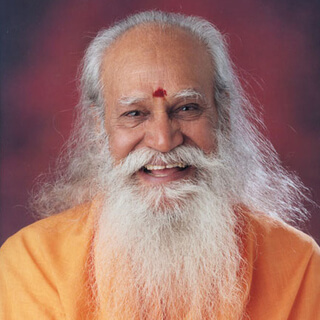
Swami Satchidananda's exhortation to "speak only what is true, kind, and necessary" invites us to reflect deeply on the nature of our communication. In a world often fraught with misinformation, divisiveness, and insensitivity, this simple yet profound guideline serves as a compass for navigating our interactions. The stakes are high; our words can either uplift and heal or harm and divide. By adhering to this triad of truth, kindness, and necessity, we cultivate a space where authentic connection can flourish.
Moreover, this teaching transcends mere etiquette; it beckons us to engage in a contemplative practice that aligns our speech with our highest values. Each word we utter carries weight, influencing not only our own inner landscape but also the emotional and spiritual well-being of those around us. In this light, Satchidananda's wisdom becomes a call to mindfulness, urging us to consider the impact of our words before we speak. This is not merely about avoiding falsehood or cruelty; it is about consciously choosing to contribute positively to the tapestry of human experience.
The image / the metaphor
At first glance, the quote presents a straightforward directive, yet it is rich with imagery and nuance. The verbs "speak," "true," "kind," and "necessary" evoke a sense of intentionality and deliberation. To "speak" implies an active engagement with the world, a choice to express oneself. The adjectives "true" and "kind" serve as filters through which our words must pass, suggesting that not all speech is created equal. The term "necessary" introduces a layer of discernment, prompting us to evaluate whether our words serve a meaningful purpose or merely fill silence.
In the speaker's tradition
Swami Satchidananda's teachings are deeply rooted in the philosophy of integral yoga, which emphasizes the interconnectedness of all aspects of life. Central to this tradition is the concept of dharma, or righteous living, which aligns closely with the principles of truth and kindness. By speaking in a manner that is true, kind, and necessary, we fulfill our dharma, contributing to the greater good while also nurturing our own spiritual growth. This alignment with dharma fosters a sense of unity and purpose, allowing us to transcend the ego and engage with the world from a place of love and compassion.
In the context of integral yoga, we can draw parallels to the Buddhist concept of "Right Speech," which is one of the elements of the Noble Eightfold Path. This principle encourages practitioners to speak truthfully, avoid divisive language, and refrain from harmful speech. Both Satchidananda's guidance and the teachings of Buddhism highlight the transformative power of mindful communication, urging us to cultivate awareness in our interactions. This shared wisdom across traditions underscores the universal importance of speaking with intention and care.
Living the teaching
Consider a modern scenario where this teaching can be applied: a workplace meeting where tensions run high due to differing opinions. In such a setting, adhering to Satchidananda's guidance can transform the atmosphere. By choosing to speak only what is true, kind, and necessary, individuals can foster an environment of respect and collaboration. Instead of resorting to criticism or defensiveness, participants can express their viewpoints with honesty while remaining empathetic to others' perspectives. This approach not only enhances communication but also builds trust and camaraderie among colleagues.
In personal relationships, the application of this teaching can be equally profound. Imagine a moment of conflict with a loved one, where emotions are heightened, and misunderstandings abound. By consciously choosing to speak truthfully about one's feelings while infusing kindness into the conversation, the potential for resolution increases significantly. Rather than allowing hurtful words to escalate the situation, the practice of mindful speech encourages vulnerability and openness, paving the way for deeper connection and healing. In both scenarios, the triad of truth, kindness, and necessity serves as a guiding light, illuminating the path toward more meaningful interactions.
A reflection
As we contemplate Swami Satchidananda's wisdom, we are invited to reflect on the nature of our own speech. Are our words aligned with truth, kindness, and necessity? In what ways can we cultivate a more mindful approach to communication in our daily lives? By engaging with these questions, we open ourselves to the possibility of transformation—not only in our own lives but also in the lives of those we touch through our words. Let us carry this teaching forward, allowing it to shape our interactions and deepen our connections with others.




Join the BrightStar Community
Stay connected with daily inspiration, event announcements, and community wisdom