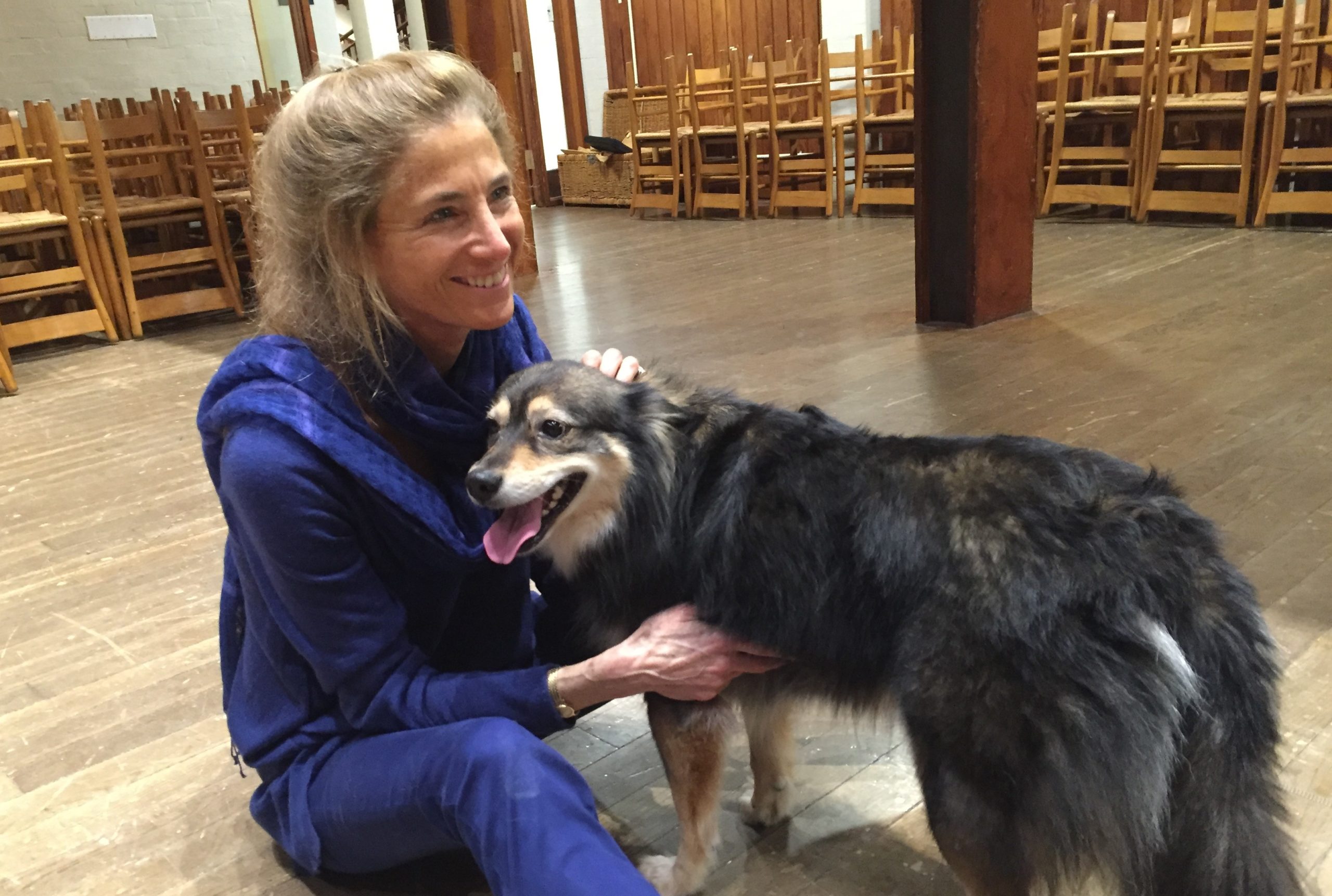
The Healing Power of Presence: Embracing Fear Through Deep Listening
Tara Brach's assertion that "the most healing antidote to fear is the deep listening of presence" invites us to explore the transformative potential of mindful awareness in the face of our fears. In a world often dominated by anxiety and uncertainty, this quote serves as a gentle reminder that true healing begins not with external solutions, but with an internal shift towards presence and compassion. By cultivating a deep listening that embraces our own experiences, we can begin to dissolve the barriers that fear erects within us.
This notion of deep listening transcends mere auditory perception; it encompasses an attentive engagement with our thoughts, emotions, and the world around us. In recognizing the profound connection between presence and healing, we are called to confront our fears with an open heart and a willingness to be vulnerable. This journey into presence is not just a personal endeavor; it is a collective invitation to foster understanding and compassion in our relationships and communities.
The image / the metaphor
The imagery of "deep listening" evokes a sense of immersion and attentiveness, suggesting that healing is not a passive experience but an active engagement with our inner landscape. The verb "listening" implies a receptivity that goes beyond hearing; it calls for an openness to fully experience our emotions and thoughts without judgment. This deep listening is akin to a nurturing embrace, where we allow ourselves to be held by the present moment, acknowledging our fears as valid and worthy of attention.
In the speaker's tradition
Tara Brach's teachings are deeply rooted in Buddhist philosophy, particularly the concepts of mindfulness and compassion. The practice of deep listening aligns with the Buddhist principle of "sati," or mindfulness, which encourages us to be fully present with our experiences. This presence allows us to cultivate "karuna," or compassion, both for ourselves and for those around us. By embracing our fears through deep listening, we engage in a form of "kenosis," the self-emptying that opens us to the fullness of our experience.
In her book "Radical Compassion," Brach draws upon the teachings of the Buddha, particularly the Four Noble Truths, which emphasize the importance of understanding suffering and its causes. By listening deeply to our fears, we begin to unravel the layers of suffering that bind us, allowing for the emergence of wisdom and insight. This process mirrors the Buddhist concept of "sunyata," or emptiness, where we recognize that our fears are not fixed entities but rather transient experiences that can be transformed through awareness.
Living the teaching
Consider a modern scenario where this teaching can be applied: a workplace filled with tension and uncertainty. Imagine a team grappling with the fear of impending layoffs. In such an environment, deep listening becomes a powerful tool for healing. By creating space for open dialogue, team members can express their fears and anxieties, fostering a sense of connection and understanding. This practice of deep listening not only alleviates individual fears but also strengthens the collective resilience of the team.
Another application of this teaching can be found within our personal relationships. Picture a moment of conflict between partners, where fear of rejection or misunderstanding looms large. By engaging in deep listening, each partner can share their feelings without interruption, allowing for a genuine exchange that honors both perspectives. This practice not only deepens intimacy but also transforms fear into an opportunity for growth and connection, reinforcing the idea that presence and compassion can heal even the most challenging moments.
A reflection
As we contemplate Tara Brach's profound insight, we are invited to reflect on our own relationship with fear. How often do we allow ourselves the space to listen deeply to our fears, rather than pushing them away or allowing them to dictate our actions? In what ways can we cultivate a practice of presence that honors our experiences and fosters healing? Let us sit with these questions, allowing them to guide us toward a deeper understanding of ourselves and our connection to the world around us.



Join the BrightStar Community
Stay connected with daily inspiration, event announcements, and community wisdom