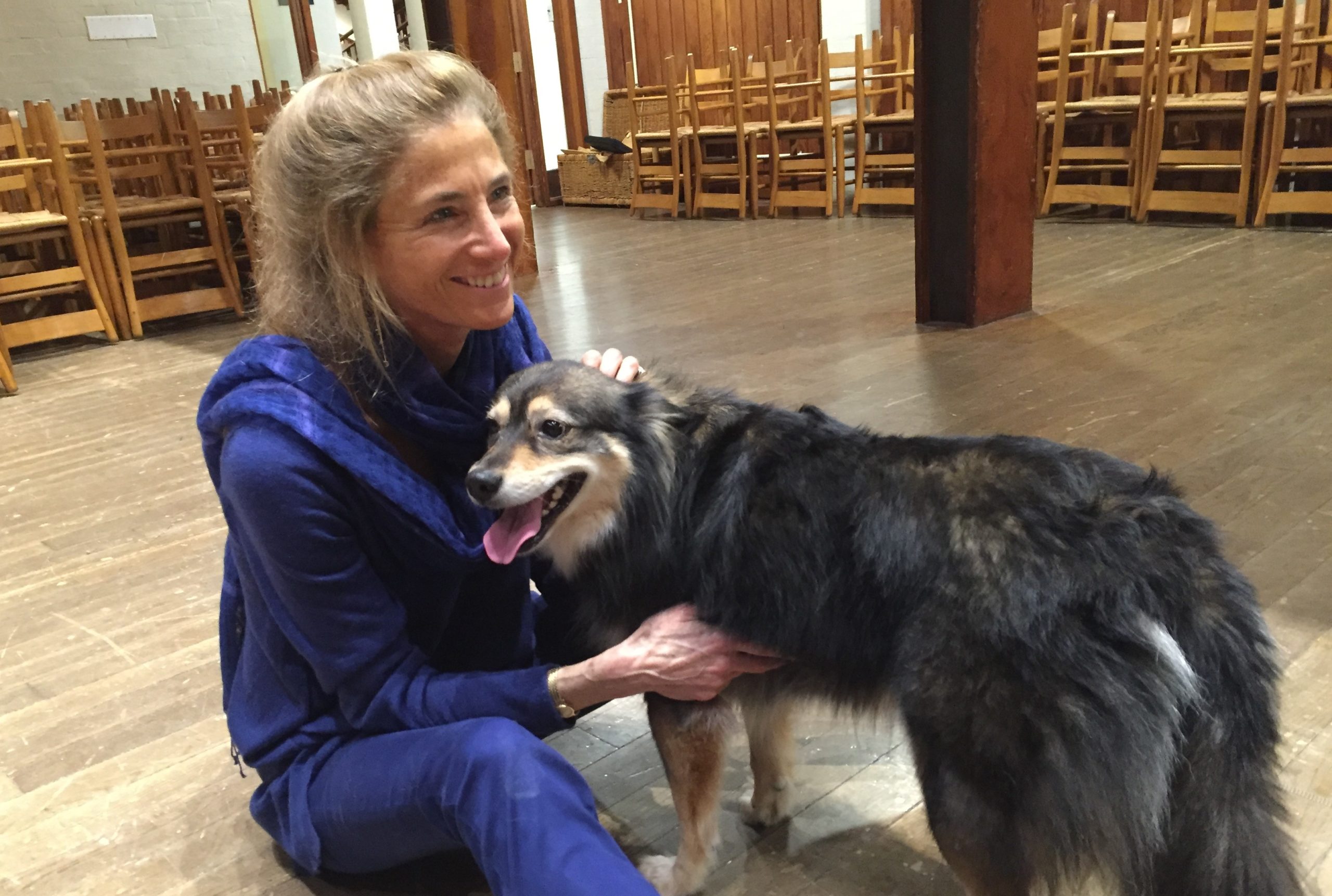
Embracing Wholeness: The Path to Liberation
Tara Brach's poignant assertion that "the way out of our cage begins with accepting absolutely everything about ourselves and our lives" invites us to confront the often uncomfortable truths of our existence. In this statement, she encapsulates a profound spiritual journey: the movement from self-rejection to radical acceptance. This journey is not merely a psychological exercise; it is a transformative process that can lead to liberation from the confines of our own making. The stakes are high, as our ability to embrace our full selves directly influences our capacity to experience joy, connection, and freedom.
At its core, Brach's message challenges us to acknowledge the entirety of our being, including our flaws, fears, and regrets. This acceptance is not passive resignation but an active engagement with our reality. It is an invitation to step into a fuller experience of life, where we can recognize our inherent worthiness despite the imperfections we perceive. By embracing all aspects of ourselves, we begin to dismantle the cages of self-doubt and judgment that limit our potential for growth and happiness.
The image / the metaphor
The imagery of a "cage" evokes a visceral sense of confinement, suggesting that many of us live within self-imposed barriers that restrict our freedom. The verbs "accepting" and "absolutely" emphasize the depth of engagement required; this is not a superficial acknowledgment but a profound embrace of our entire existence. The felt sense of this quote resonates with the struggle many face in reconciling their inner lives with external realities, creating a tension that can feel suffocating. Brach's words serve as a key, unlocking the door to a more expansive experience of self.
Diving deeper into the metaphor, the cage can represent various forms of suffering—shame, fear, and unworthiness—that we often carry. These emotional and psychological cages can be constructed from past experiences, societal expectations, and internalized judgments. The act of acceptance becomes a radical act of rebellion against these constraints, allowing us to reclaim our narrative and redefine our relationship with ourselves. In this light, the journey out of the cage is not merely about escape; it is about transformation and the reclamation of our wholeness.
In the speaker's tradition
Tara Brach's teachings are deeply rooted in Buddhist philosophy, particularly the concepts of acceptance and non-attachment. The notion of "sunyata," or emptiness, aligns closely with her message, suggesting that our rigid identities and self-concepts are illusions that can be transcended. By embracing the fullness of our experience, we can cultivate "prajna," or wisdom, which allows us to see beyond the confines of our ego. This journey of acceptance is akin to the practice of "kenosis," the self-emptying that opens us to a deeper connection with ourselves and the world around us.
Living the teaching
Consider a modern scenario where this teaching resonates: an individual grappling with feelings of inadequacy in their career. They may find themselves trapped in a cycle of self-criticism, believing they are not skilled enough or deserving of success. By embracing the teaching of radical acceptance, they can begin to acknowledge their feelings without judgment, recognizing that these emotions are part of their human experience. This acceptance can lead to a newfound clarity, allowing them to pursue growth opportunities without the weight of self-doubt holding them back.
In the realm of relationships, the practice of radical acceptance can be equally transformative. Imagine a couple facing ongoing conflicts, each partner feeling misunderstood and unappreciated. By applying Brach's teaching, they can learn to accept not only their own flaws but also those of their partner. This shift fosters a deeper sense of empathy and connection, enabling them to navigate their challenges with compassion rather than defensiveness. In both scenarios, the act of acceptance serves as a bridge to deeper understanding and liberation from the cages of our own making.
A reflection
As we contemplate Brach's profound insight, we are invited to consider: What aspects of ourselves or our lives have we yet to fully accept? This question encourages a deep exploration of our inner landscapes, prompting us to identify the parts we may have hidden away or deemed unworthy. In this inquiry lies the potential for profound transformation, as we recognize that true liberation begins with the embrace of our wholeness.

Join the BrightStar Community
Stay connected with daily inspiration, event announcements, and community wisdom