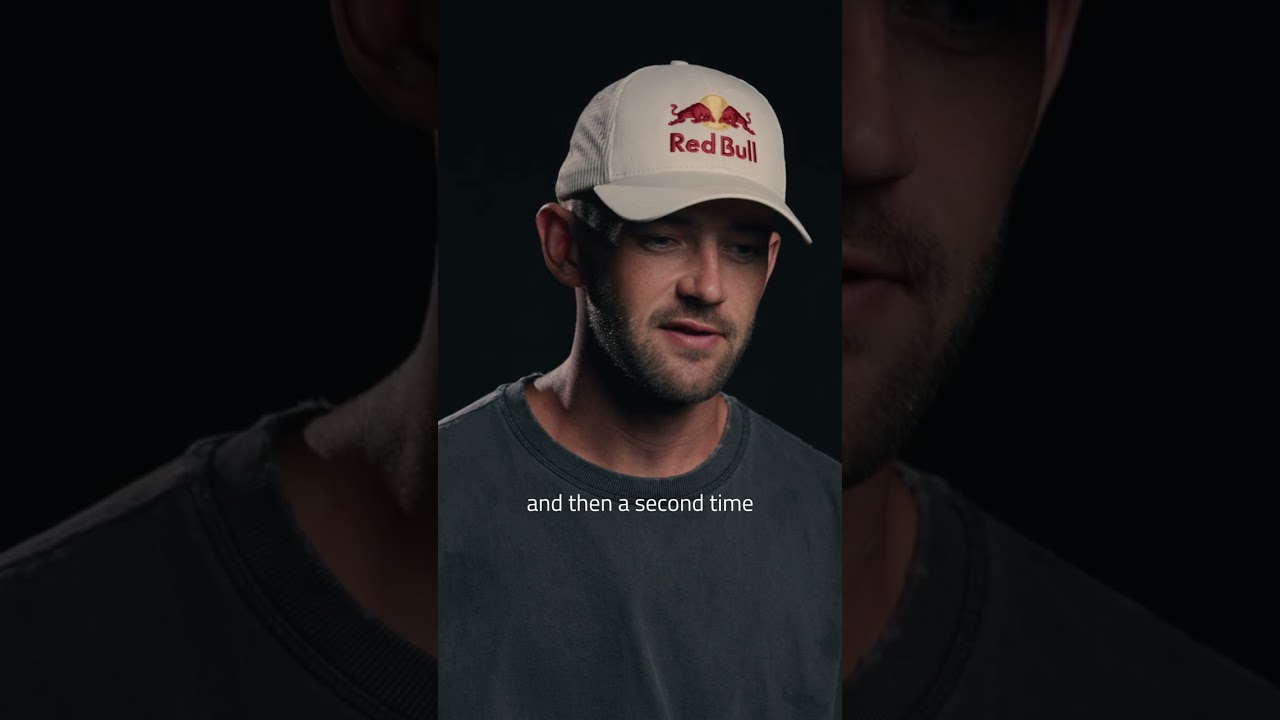
The IRONMAN 70.3 World Championship in Marbella showcased not just the pinnacle of endurance racing but also the personal journey of elite triathletes, particularly Paula Findlay. In the season finale of "The Long Game," viewers are offered a candid glimpse into the trials and tribulations that come with competing at such a high level. Findlay's reflections on her performance and the insights into her future plans for 2026 provide a unique perspective on the psychological and physical demands of the sport. This article dives deeper into her experiences, the significance of the event, and actionable takeaways for both aspiring and seasoned athletes.
Paula Findlay: A Profile of Resilience
Paula Findlay, a Canadian triathlete, has been a prominent figure in the IRONMAN circuit. Known for her tenacity, she has faced her share of challenges, including injuries that have tested her resolve. In the IRONMAN 70.3 World Championship in Marbella, she exemplified resilience, pushing through physical limits while showcasing her competitive spirit. Her journey is a testament to the fact that success in endurance sports is not just about physical prowess but also mental fortitude.
Findlay's racing history is filled with ups and downs, but her determination to continuously improve and adapt has made her a role model for many. Competing at the World Championship level requires not only peak physical condition but also strategic planning regarding training, nutrition, and recovery. Her experiences serve as an educational platform for those keen on understanding the intricacies of high-level competition.
As she reflects on her 2023 season and looks forward to 2026, Findlay emphasizes the importance of learning from each race. This mindset is crucial for any athlete aiming for longevity in their careers. Whether it’s analyzing performance data or adjusting training regimens, the ability to pivot and grow is essential in endurance sports.
Marbella: The Setting for Elite Competition
Marbella, located on the southern coast of Spain, provided a stunning backdrop for the IRONMAN 70.3 World Championship. Known for its picturesque landscapes and challenging terrain, the course tested the athletes' limits, with varied elevation changes that demanded both speed and endurance. The scenic route along the Mediterranean coast not only captivated spectators but also added a unique layer of difficulty for competitors.
The 70.3 distance, comprising a 1.2-mile swim, 56-mile bike ride, and 13.1-mile run, presents a multifaceted challenge. Athletes must excel in all three disciplines, each requiring specialized training and preparation. The Marbella course, with its technical bike sections and potential for heat, required athletes to balance speed with strategic pacing and hydration.
For athletes like Findlay, the location also serves as a reminder of the global nature of the sport. Competing in such an iconic setting allows triathletes to not only showcase their talents but also connect with a diverse community of endurance athletes from around the world, enriching the experience of competition.
Findlay's Performance: Analyzing the Race
In the IRONMAN 70.3 World Championship, Paula Findlay faced strong competition from an elite field of triathletes. As she reflects on her performance, she highlights the importance of pacing and nutrition strategy, particularly in the heat of Marbella. Athletes must have a tailored hydration plan, often aiming for 20-30 ounces of fluid per hour to maintain optimal performance levels.
During the race, Findlay strategically managed her energy output, focusing on maintaining a power zone that would allow her to push through the bike segment without depleting her reserves for the run. Power meters are critical tools for triathletes, helping them stay within their optimal heart rate and wattage zones to maximize endurance while avoiding early fatigue.
Moreover, her insights into the mental aspects of racing reveal how crucial mindset is during high-stakes competitions. Findlay emphasizes the importance of staying focused and adapting to unexpected challenges, a skill that can often make the difference between victory and defeat in endurance sports.
The Importance of Nutrition in Endurance Racing
Nutrition plays a pivotal role in the performance of endurance athletes, and Paula Findlay's experience at the IRONMAN 70.3 World Championship underscores this fact. Effective fueling strategies can prevent bonking and maintain energy levels throughout the race. For Findlay, a combination of gels, electrolytes, and solid food was essential, particularly during the bike segment where proper intake is crucial.
Typically, athletes should aim for about 60-90 grams of carbohydrates per hour during long races. Findlay's approach involved testing various products during training to determine what worked best for her body. This experimentation is vital, as every athlete reacts differently to nutrition, and finding the right balance can significantly impact race outcomes.
In addition to carbohydrates, hydration is equally important. Findlay’s strategy likely involved consuming electrolytes to replace those lost through sweat, with particular attention to sodium levels. Understanding personal hydration needs can help athletes maintain performance and stave off cramping and fatigue during the race.
Setting Goals: Paula's Vision for 2026
As the season wraps up, Paula Findlay looks ahead to 2026 with a clear vision. Setting long-term goals is crucial for athletes, as it provides motivation and direction throughout training cycles. Findlay's ambition to compete at the highest levels reflects the importance of continuous improvement and the desire to push her boundaries.
In her reflections, she discusses the importance of setting SMART goals—Specific, Measurable, Achievable, Relevant, and Time-bound. This method ensures that her objectives are not only ambitious but also practical, allowing her to track progress effectively. For instance, she might set a target time for specific segments of a race or aim to improve her overall finish position at future championships.
Moreover, Findlay's commitment to her training regimen includes refining her skills in all disciplines—swimming, cycling, and running. By incorporating focused training sessions, she can address weaknesses while enhancing her strengths, ensuring she comes into her next competition ready to perform at her best.
The Mental Game: Overcoming Challenges
Endurance sports are as much about mental strength as physical capability, and Paula Findlay's journey emphasizes this reality. Throughout her racing career, she has faced numerous challenges, including injuries and disappointing performances. However, her ability to maintain a positive mindset has been a critical factor in her success.
Findlay's experience in Marbella serves as a reminder that setbacks are part of the journey. Athletes must learn to embrace adversity, using it as a catalyst for growth. This perspective not only fosters resilience but also enhances performance in future races. Techniques such as visualization, mindfulness, and positive self-talk can be powerful tools in an athlete’s mental arsenal.
Additionally, the support from coaches, teammates, and the triathlon community can greatly impact an athlete's mental state. Findlay often highlights the importance of surrounding herself with positive influences that encourage growth and motivation, reinforcing the idea that no athlete is an island in their pursuit of greatness.
Community and Support in Endurance Sports
The triathlon community plays a vital role in the success of athletes like Paula Findlay. Competitions such as the IRONMAN 70.3 World Championship not only showcase individual performances but also highlight the camaraderie and support among athletes. This community can provide encouragement, share training tips, and foster a sense of belonging.
For many athletes, participating in races is about more than just personal achievement; it’s about connecting with others who share the same passion. From local club meets to international championships, the bonds formed through shared experiences can inspire athletes to push their limits further than they thought possible.
Additionally, platforms like social media have transformed how athletes engage with their supporters. Findlay's reflections on her journey resonate with many, as she shares not only her successes but also her struggles, creating a relatable narrative that inspires both current and future athletes. This openness fosters a culture of support, where sharing vulnerabilities can be a source of strength.
Watch the Full Video
Watch the complete video above for the full breakdown. For more endurance content, explore our latest articles, browse upcoming events, or discover athlete profiles on EnduranceFinder.