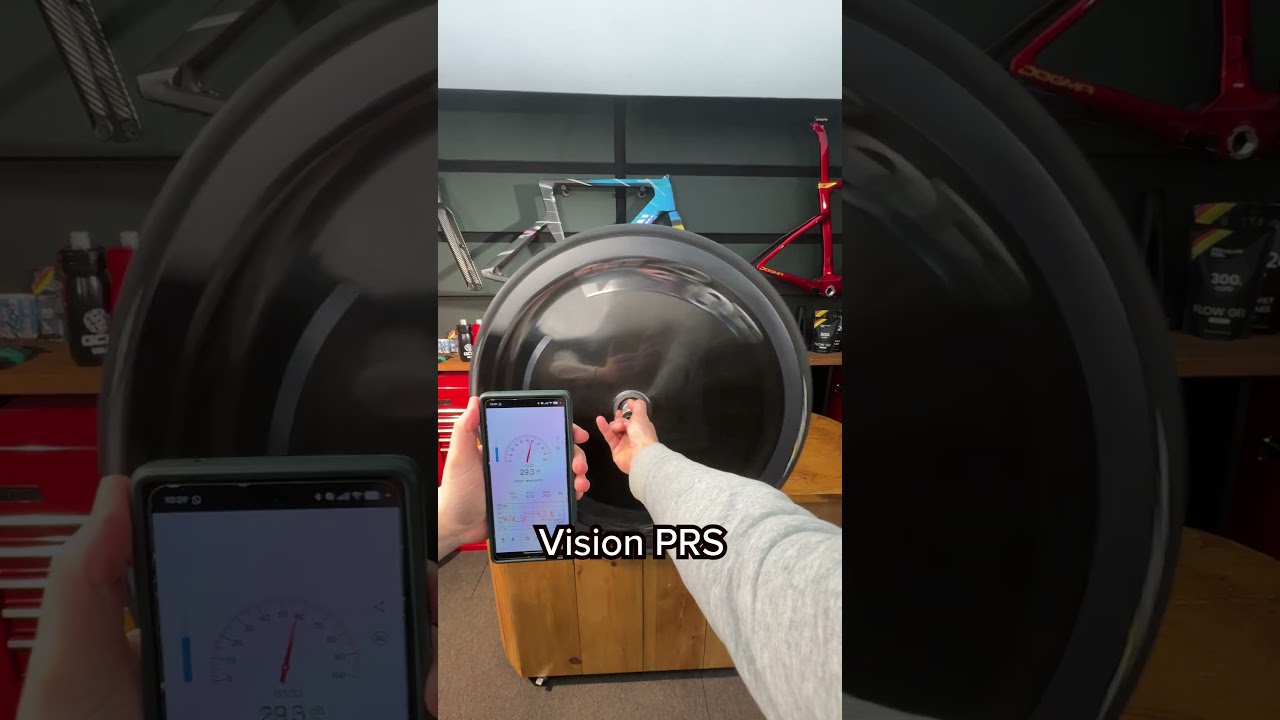
The Ironman World Championship in Kona is one of the most prestigious events in the endurance sports calendar, and the equipment used by athletes can be a game-changer. In this article, we take a closer look at Solveig Løvseth's Felt IA 2.0, the bike that helped her clinch victory in this grueling event. From its aerodynamic design to its personalized features, this bike is a blend of cutting-edge technology and individual expression. We’ll delve into the bike's components, her race strategy, and the preparation that goes into racing in such extreme conditions. Whether you’re a seasoned triathlete or a beginner, there’s plenty to learn from Solveig’s setup and insights.
Custom Paintwork: A Personal Touch
One of the standout features of Solveig Løvseth's Felt IA 2.0 is its stunning custom paintwork. A bike isn’t just a mode of transport for a professional athlete; it’s an extension of their personality and brand. Solveig worked closely with designers to create a unique color scheme that reflects her identity, making the bike visually striking as well as functional. Custom paintwork can also serve as a source of motivation, reminding athletes of their journey and aspirations during intense moments in a race.
The choice of colors and design elements is not just for aesthetics; they can also play a psychological role. A well-designed bike can boost an athlete's confidence as they approach a race. For Solveig, the vibrant hues of her Felt IA 2.0 are synonymous with her hard work and determination, creating a sense of pride that can enhance performance on race day. This personal touch makes her bike stand out among the sea of competitors at Kona.
In addition to the visual appeal, custom paintwork can also serve functional purposes, such as making the bike more recognizable in crowded settings. This is particularly important during mass starts or transitions, where distinguishing one’s bike from others can save precious seconds. Solveig’s bike not only looks fantastic but is also designed for practicality, showcasing the thoughtful approach that goes into every aspect of her gear.
Cockpit & Aerobar Setup: Optimizing Aerodynamics
The cockpit and aerobar setup on the Felt IA 2.0 are critical for achieving optimal aerodynamics—a key factor in triathlon performance. Solveig utilizes a low, aggressive position that minimizes wind resistance, allowing her to maintain speed while conserving energy. The aerobar configuration is carefully adjusted to her body dimensions, ensuring that she can ride efficiently for extended periods without discomfort.
Proper aerobar setup involves more than just adjusting the height and angle; it requires an understanding of one's biomechanics. Solveig’s setup allows her to engage her core effectively while providing stability during high-speed descents. This positioning not only enhances her aerodynamic profile but also aids in maintaining power output over the long distances of an Ironman race.
Moreover, the integration of her cockpit with the bike frame is seamless, reducing drag further. The use of extensions helps Solveig to find the perfect balance between comfort and speed, which is essential during the 112-mile bike leg of the Ironman. Athletes can learn from her setup by experimenting with their own aerobar configurations to find the most efficient position for their riding style.
Hydration & Nutrition Setup: Staying Fueled
In endurance sports, proper hydration and nutrition are crucial, especially during an Ironman where every minute counts. Solveig's Felt IA 2.0 is equipped with an innovative hydration system that allows her to easily access fluids without losing speed. She employs a combination of bottles mounted on the frame and a hydration pack, ensuring she can stay hydrated throughout her ride.
Nutrition is just as essential as hydration. Solveig follows a structured nutrition strategy that includes consuming electrolytes, carbohydrates, and proteins at regular intervals. Research suggests that triathletes should aim for about 60-90 grams of carbohydrates per hour during long races. Solveig focuses on easily digestible sources like gels and drinks, which help maintain her energy levels without causing gastrointestinal distress.
Additionally, her bike features unique storage solutions for nutrition products, allowing for quick access while maintaining aerodynamics. This means she can consume her energy gels or bars without compromising her cycling posture or speed. By preparing a hydration and nutrition strategy ahead of time, athletes can mimic Solveig’s approach to ensure they remain fueled throughout their race.
Gearing & Drivetrain: Efficiency in Motion
The gearing and drivetrain of Solveig’s Felt IA 2.0 are designed to maximize efficiency and power transfer. With a focus on lightweight components and precise shifting, her setup enables seamless transitions across varied terrain. This is particularly important in a race like Kona, where wind conditions can change rapidly and terrain can vary from flat stretches to hilly sections.
Her bike features a compact crankset and a wide-range cassette, allowing her to maintain the optimal cadence and power output, regardless of the incline. Many triathletes aim for a cadence of around 80-90 RPM during the bike leg, and a well-chosen gear setup makes achieving this target much easier. Solveig’s meticulous selection of gears is a testament to the preparation involved in optimizing performance.
Moreover, the drivetrain’s smooth shifting capabilities reduce energy loss, which is crucial in a race where every watt counts. By selecting high-quality components, Solveig ensures that she can focus on her strategy without worrying about mechanical issues during the race. Athletes looking to improve their performance should consider their gearing choices carefully, as this can significantly impact overall bike leg efficiency.
Trispoke Wheels & Tires: Speed and Stability
Wheels are an integral part of any triathlon bike, and Solveig’s choice of trispoke wheels on her Felt IA 2.0 exemplifies the balance between speed and stability. These wheels are engineered to provide low drag, allowing for higher speeds with less effort. The aerodynamic design helps cut through the wind, which is particularly beneficial on the flat stretches of the Kona course.
Additionally, trispoke wheels offer excellent lateral stiffness, which translates to better handling and stability during high-speed descents. In Kona, where the winds can be unpredictable, having a wheelset that responds well to crosswinds is crucial. Solveig’s choice demonstrates a keen understanding of how equipment can impact performance in challenging conditions.
The tires she uses are equally important, with a focus on a balance between speed and grip. The right tire choice can enhance traction on varied surfaces and conditions, providing confidence when navigating turns or descending. Athletes should consider experimenting with different wheel and tire combinations to find what best suits their racing style and the specific conditions of their race course.
Solveig’s Nutrition Strategy: Fueling for Success
Solveig Løvseth's nutrition strategy is meticulously crafted to ensure she has the energy and stamina required for the Ironman distance. Her approach consists of a mix of solid foods and liquid nutrition, tailored to her personal preferences and digestive comfort. During training, she practices her fueling strategy to identify what works best for her body, aiming for a balanced intake that includes carbohydrates, fats, and proteins.
In her race plan, she targets around 300-400 calories per hour, primarily through energy gels, electrolyte drinks, and occasionally solid bars. This calculated intake helps maintain her energy levels throughout the race while preventing fatigue. During the bike leg, she focuses on consuming quick sources of energy to optimize performance without overwhelming her digestive system.
Moreover, Solveig’s strategy includes regular hydration to replace lost fluids and electrolytes, particularly important in the heat of Kona. She monitors her hydration levels closely, ensuring she drinks small amounts frequently rather than large quantities infrequently. By crafting a comprehensive nutrition strategy, athletes can learn how to fine-tune their own race-day fueling to maximize performance.
Heat Training and Preparation: Conquering the Conditions
Competing in Kona means facing one of the most challenging environments in triathlon racing. Solveig Løvseth's preparation includes extensive heat training to acclimatize her body to the extreme temperatures and humidity typical of the island. This involves training in similar conditions or using heat exposure techniques, such as sauna sessions, to enhance her tolerance.
Heat training not only improves an athlete's ability to perform in warm conditions but also aids in recovery. The physiological adaptations that occur during heat acclimatization can enhance cardiovascular efficiency and fluid balance. Solveig’s commitment to heat training is a crucial aspect of her overall preparation, allowing her to optimize her performance on race day.
Additionally, she emphasizes the importance of mental preparation when training in heat. Developing a strategy to stay cool, such as using ice packs or cooling vests, can help mitigate the effects of heat stress. Athletes can benefit from incorporating similar strategies to enhance their comfort and performance during races in hot climates.
Solveig's Goal for Kona and Race Plan: Aiming for Excellence
Solveig Løvseth’s primary goal for the Ironman World Championship in Kona is to not only compete but to excel. Her race plan is meticulously crafted, focusing on pacing strategies that allow her to maintain a strong performance across all three disciplines. This involves setting specific time goals for the swim, bike, and run segments, ensuring she conserves energy for the final leg of the race.
In addition to her pacing strategy, Solveig places a strong emphasis on mental resilience. She prepares for the inevitable challenges of race day, such as fatigue and difficult weather conditions, by visualizing her performance and developing coping strategies. This mental fortitude is essential for navigating the pressures of competition and achieving personal bests.
Finally, Solveig’s race plan includes a detailed transition strategy, allowing her to maximize efficiency between each segment. By practicing her transitions during training, she can minimize downtime and keep her momentum going. Athletes can learn from Solveig’s approach by developing their own race plans that encompass pacing, mental preparation, and efficient transitions.
Watch the Full Video
Watch the complete video above for the full breakdown. For more endurance content, explore our latest articles, browse upcoming events, or discover athlete profiles on EnduranceFinder.