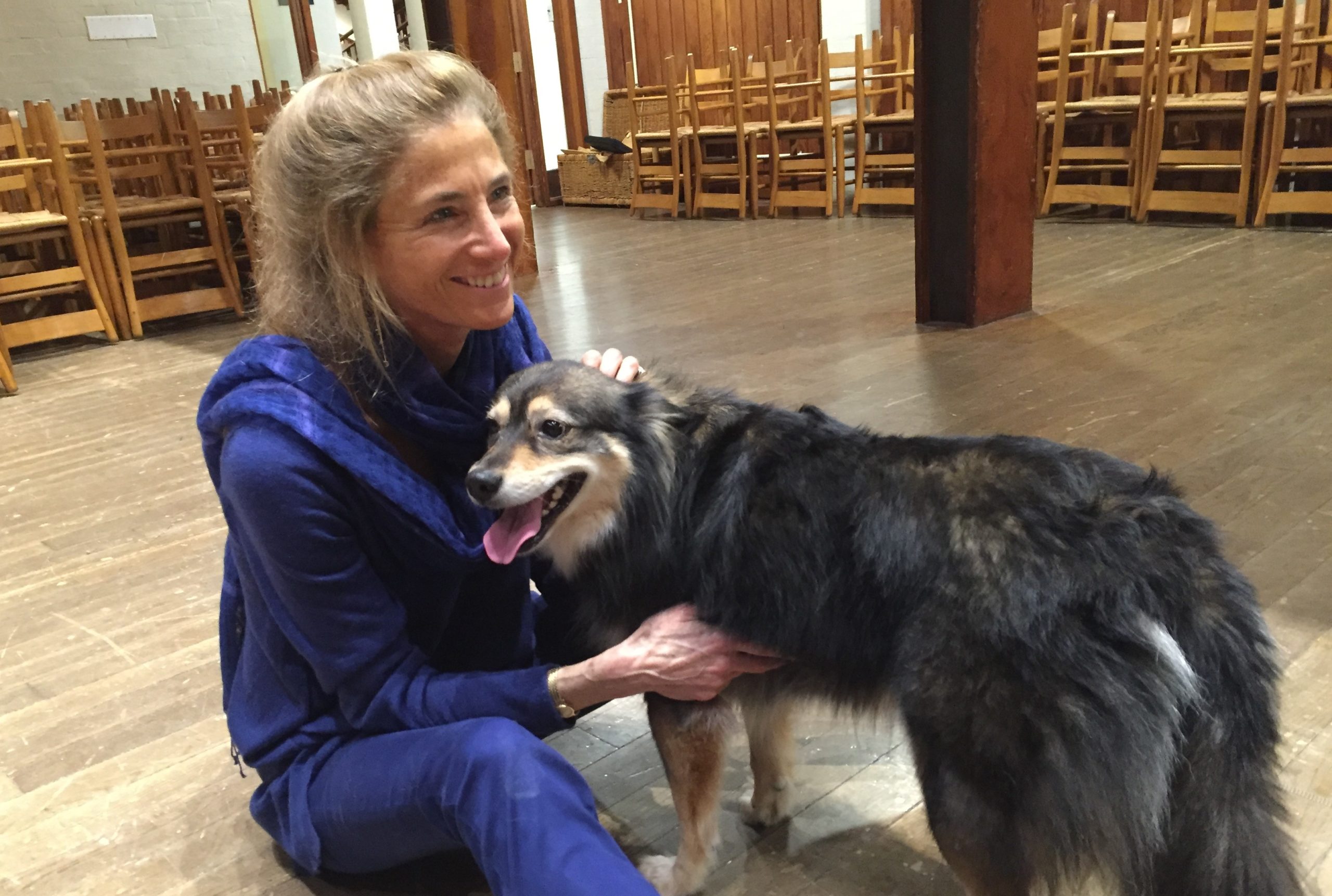
The Boundaries of Acceptance: A Pathway to Freedom
Tara Brach's profound assertion, "The boundary to what we can accept is the boundary to our freedom," invites us to explore the intricate relationship between acceptance and liberation. In essence, she suggests that the limits we impose on our capacity to embrace our experiences directly correlate to the constraints we feel in our lives. This notion is not merely philosophical; it has practical implications for how we navigate our emotional landscapes and interpersonal relationships. Understanding this connection can lead us to a more expansive sense of self and a deeper engagement with the world around us.
As we delve deeper into this quote, we begin to recognize that acceptance is not a passive resignation but an active engagement with reality. It is an invitation to confront our fears, vulnerabilities, and the myriad of emotions that arise in our daily lives. By acknowledging and accepting our experiences—both joyful and painful—we create the space necessary for true freedom to emerge. This freedom is not just the absence of constraints but the presence of a profound inner peace that allows us to respond to life with authenticity and grace.
The image / the metaphor
The imagery in Brach's quote evokes a landscape marked by boundaries—those invisible lines we draw around our hearts and minds. The verbs "accept" and "freedom" are laden with significance; acceptance implies a welcoming of all that is, while freedom suggests a release from the shackles of judgment and resistance. The felt sense of this quote is one of expansion, as if we are being invited to step beyond the confines of our self-imposed limitations and into a broader, more inclusive experience of life.
In the speaker's tradition
Tara Brach's teachings are deeply rooted in Buddhist philosophy, particularly the concepts of dharma and sunyata. Dharma, often understood as the natural law or truth, encourages us to align our lives with the fundamental nature of reality. Sunyata, or emptiness, invites us to recognize that our perceptions and attachments are often illusions that limit our understanding. By embracing these teachings, we can cultivate a sense of acceptance that transcends our conditioned responses, allowing us to experience a more profound freedom.
In her book "Radical Acceptance," Brach draws upon the teachings of the Buddha, who emphasized the importance of mindfulness and compassion in overcoming suffering. A relevant text that echoes this sentiment is the "Heart Sutra," which speaks of the interdependence of all things and the liberation found in recognizing the emptiness of our attachments. This understanding encourages us to let go of the rigid boundaries we create around our experiences, fostering a deeper acceptance that ultimately leads to freedom.
Living the teaching
Consider a modern scenario where this teaching resonates: a person grappling with the loss of a loved one. The initial response may be one of denial or anger, creating a boundary that prevents the individual from fully experiencing the grief. However, by embracing the reality of their loss and allowing themselves to feel the pain, they begin to dismantle that boundary. In doing so, they open themselves to the healing process, discovering that acceptance of their emotions leads to a newfound sense of freedom to honor their loved one’s memory.
Another application of this teaching can be found in interpersonal relationships. Imagine a situation where two friends have a disagreement, and one party feels hurt and unwilling to accept the other’s perspective. By practicing radical acceptance, they can acknowledge their feelings without judgment, allowing for a more open dialogue. This acceptance not only fosters understanding but also liberates both individuals from the confines of resentment, paving the way for deeper connection and reconciliation.
A reflection
As we reflect on Brach's poignant words, we are invited to consider: What boundaries have I created in my life that limit my capacity for acceptance and, consequently, my freedom? This contemplative question encourages us to explore the areas where we may be resisting our experiences, whether in our emotions, relationships, or self-perception. By examining these boundaries, we can begin to dismantle them, opening ourselves to a more expansive and liberated way of being in the world.