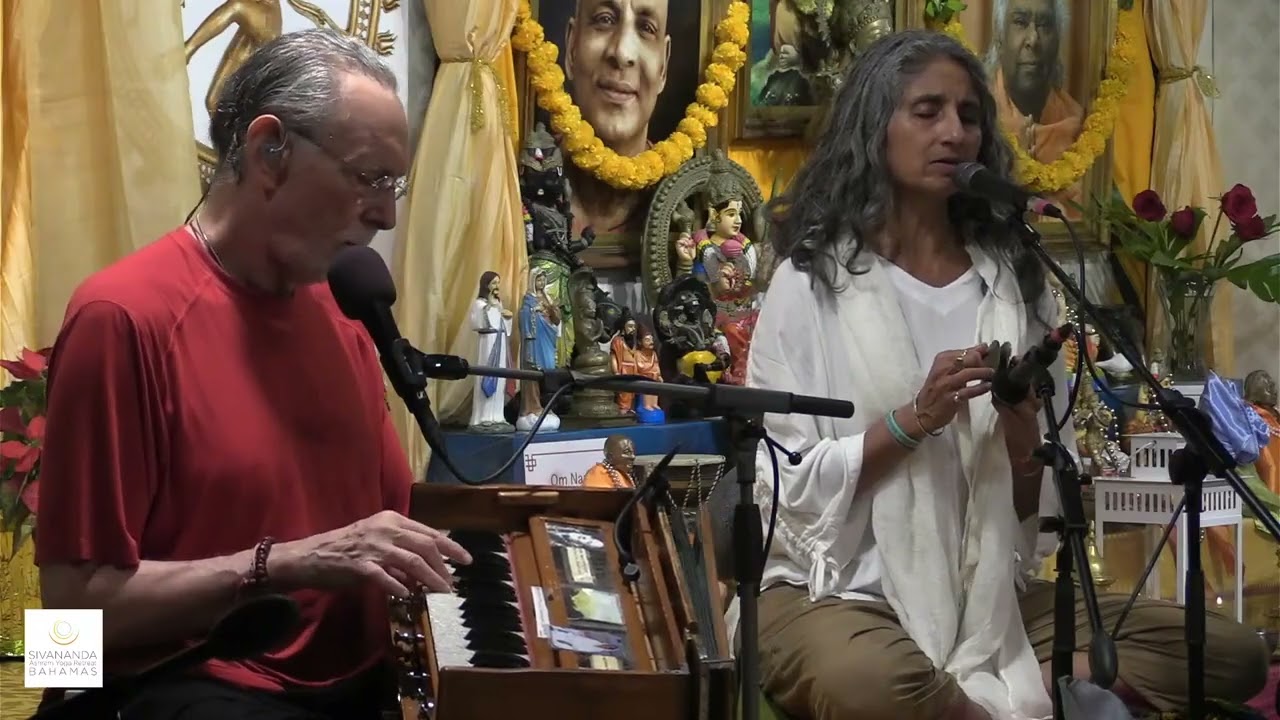
This is a live kirtan performance of "All One," a devotional chant from Krishna Das's 2023 NYC concert series. The song explores the non-dualistic principle that all existence is fundamentally one consciousness, using call-and-response chanting as a gateway to direct experience rather than intellectual understanding. The full lyrics are provided for kirtan practitioners who wish to sing along and deepen their personal practice.
What is Kirtan and How Does It Work?
Kirtan is a Sanskrit word meaning "narration" or "praise," and it refers to a form of devotional singing that has roots in Hindu and Indian yogic traditions. Unlike listening passively to music, kirtan is a participatory practice where a leader (called the kirtan wallah) sings call-and-response melodies with an audience. The repetition of sacred names, mantras, and spiritual truths through singing creates a meditative state that practitioners often describe as transcendent or deeply grounding.
The purpose of kirtan is not primarily entertainment, though it can be joyful. Rather, it's a contemplative practice designed to focus the mind, open the heart, and create direct experience of spiritual truths. When you sing the same phrases repeatedly—whether it's "All One" or other traditional mantras—the intellectual mind begins to settle, and a deeper awareness can emerge. This is why kirtan is sometimes called "meditation through chanting."
The Central Teaching: "All One"
The title "All One" expresses a core principle found in Advaita Vedanta (non-dualistic Hindu philosophy) and many other contemplative traditions: the idea that beneath the apparent multiplicity of forms, names, and individual consciousness, there is a single underlying reality or consciousness. This isn't a belief to adopt intellectually; rather, it's an invitation to experience directly through practice.
In Krishna Das's approach to kirtan, the repetition of this truth—"all one"—isn't meant to convince you through argument. Instead, the rhythmic, melodic, and communal aspects of chanting create conditions where this realization can arise naturally. The mind becomes less busy with conceptual thinking and more available to direct perception. This is why singing the same phrases many times is central to the practice, rather than a limitation of it.
The Role of Repetition in Spiritual Practice
One of the most distinctive features of kirtan is the use of repetition. A simple phrase or mantra may be sung dozens or even hundreds of times in a single session. To someone unfamiliar with contemplative practice, this might seem monotonous or even obsessive. However, repetition serves several important functions:
- Settling the mind: Repetition gradually quiets the constant chatter of thoughts. Instead of chasing different ideas, the mind settles into one rhythm and one intention.
- Bypassing resistance: The thinking mind often resists new ideas or experiences. Repetition allows truths to enter more deeply, beneath the level of intellectual critique.
- Creating embodied knowing: Rather than understanding something as an idea, repetition helps move that understanding into the body and nervous system. You don't just think "all one"—you feel it.
- Building community: When many people sing the same phrase together, a shared energy emerges. This communal aspect amplifies the practice for each individual participant.
Krishna Das's Approach to Modern Kirtan
Krishna Das has become one of the most accessible guides to kirtan in contemporary Western spiritual culture. He studied with Neem Karoli Baba, a legendary Indian saint, and brings both traditional authenticity and modern accessibility to his work. His approach honors the depth of the tradition while making it relevant for contemporary practitioners who may have no background in Sanskrit, Hinduism, or Indian music.
In his live events, Krishna Das uses English songs, Western musical styles (like folk and world music influences), and simple, clear melodies to make kirtan available to diverse audiences. At the same time, he maintains the essential practice: call-and-response singing, repetition, and the focus on direct spiritual experience. This series of videos with lyrics reflects his commitment to helping people sing along and deepen their personal practice, rather than remaining passive observers.
How to Use This Kirtan Performance in Your Own Practice
If you're new to kirtan or to "All One" specifically, here are some practical ways to engage with this song:
- Sing along: Use the provided lyrics to join in with the recording. Don't worry about perfect pitch or musicality; the sincerity of your participation matters more than technical skill. Many practitioners find that singing out loud, even if it feels awkward at first, creates a deeper effect than listening silently.
- Repeat regularly: Consider singing this song daily or several times per week, rather than hearing it once. Regular practice allows the subtle effects to accumulate and deepen over time.
- Notice what arises: As you sing, pay attention to emotions, sensations, or shifts in awareness that occur. You may notice your body relaxing, your heart opening, or moments of stillness. These are all valid experiences of the practice and don't need to be judged or analyzed—simply noticed.
- Combine with other practices: Kirtan works beautifully alongside meditation, yoga, or other contemplative practices. Many people use kirtan as a way to prepare the heart and mind for deeper meditation.
The Broader Context of Krishna Das's 2023 NYC Live Series
This video is part of a larger series from Krishna Das's 2023 live event in New York City. By releasing multiple songs from this event, Krishna Das is making his teaching accessible across different listening styles and schedules. Rather than requiring people to attend a full multi-hour concert or watch one long video, this series allows practitioners to engage with one song at a time, incorporating kirtan into daily life.
The Heart Space Digital Library mentioned in the description represents Krishna Das's broader commitment to making these teachings and practices available in multiple formats—live events, recordings, webinars, and written resources. This reflects the reality of contemporary spiritual practice: people have different learning styles, schedules, and access levels, and good teachers adapt their offerings accordingly without compromising the depth of the tradition.
The Function of "All One" in Spiritual Development
While "All One" might sound like a simple philosophical statement, in the context of kirtan practice it functions as a profound tool for recognizing the non-dual nature of reality. Many spiritual traditions point to this same truth: the Advaita Vedanta tradition of Hinduism, Dzogchen Buddhism, Sufi mysticism, and Christian contemplative prayer all, in their own language and context, speak to a fundamental oneness or unity of consciousness.
The value of chanting this truth in a devotional context is that it doesn't remain abstract. Through the combination of melody, community, repetition, and sincere intention, practitioners report experiencing moments of direct perception—moments where the boundary between self and other, observer and observed, seems to dissolve. These moments, even if brief, can be transformative not because they confirm a belief, but because they offer firsthand knowledge that what we experience as separation is not the final truth of existence.
Where to Go From Here
If this introduction to "All One" and Krishna Das's kirtan practice resonates with you, there are several natural next steps. Visit Krishna Das's website at krishnadas.com to explore upcoming events—whether live concerts, webinars, or online offerings. The Heart Space Digital Library offers a free account where you can access additional music, teachings, and workshops that deepen your understanding of kirtan and related practices.
Consider creating a regular practice with "All One" or other songs from this series. Even 15-20 minutes of daily kirtan can have measurable effects on nervous system regulation, emotional clarity, and spiritual openness. If you're drawn to the philosophy underlying the practice, Krishna Das maintains an extensive library of recommended books on the Advaita Vedanta teachings, Neem Karoli Baba's life and wisdom, and contemporary explorations of non-dual spirituality.
Join the broader community of kirtan practitioners by connecting on social media (Krishna Das is active on Facebook and Instagram) or signing up for the e-newsletter to stay informed about new releases and teachings. Kirtan is ultimately a communal practice, and even if you practice alone, knowing that thousands of others are singing these same mantras creates an invisible field of shared intention and support.