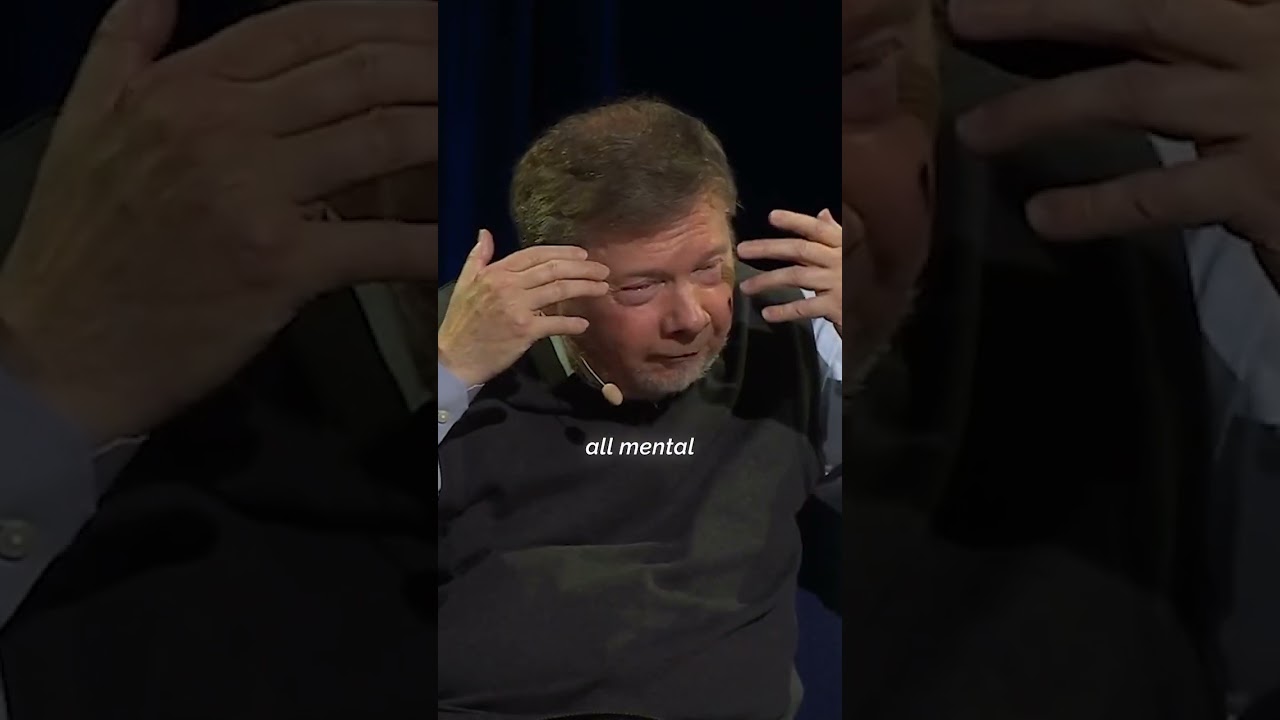
The apparent chaos, conflict, and destruction visible in human society are not random events but systematic reflections of deeper dysfunction within human consciousness itself. Rather than viewing world problems as external anomalies, this perspective suggests that individual and collective human behavior stems from distorted patterns of thinking, perception, and presence that can be traced to fundamental breaks in how consciousness operates. Understanding this root dysfunction is the first step toward genuine change—not in systems or structures alone, but in the quality of awareness that generates those systems.
What Does Consciousness Dysfunction Look Like in Practice?
When we examine global patterns—war, environmental destruction, inequality, psychological suffering—we tend to blame circumstances, economics, politics, or bad actors. Yet a different diagnosis emerges when we look at the consciousness operating beneath these outcomes. Dysfunction in human consciousness manifests as a chronic disconnection from presence, a fragmentation of attention, and a distorted relationship with thought itself.
This dysfunction is not a flaw in a few individuals. It is a widespread condition that affects how humans perceive reality, relate to time, interact with others, and make decisions. Most people operate in a state where they are identified with their thoughts rather than aware of them—where the mind's endless mental commentary is taken as reality. This creates a kind of trance state, where reactivity replaces genuine choice and habitual patterns replace authentic response.
How Does Individual Consciousness Connect to World Events?
The link between inner consciousness and outer conditions is direct, though often invisible. When millions of individuals operate from a state of unconsciousness—mechanically reacting rather than consciously responding—their cumulative actions and decisions ripple outward into institutions, governments, and systems. A person disconnected from the present moment, consumed by past resentments or future anxieties, is more likely to act from fear, aggression, or defensiveness. When this pattern becomes normalized across populations, it produces collective outcomes: conflict, exploitation, domination.
This is not a moral judgment but a causal observation. Someone operating from unconscious reactivity cannot act differently than they do. They are driven by unconscious pain, ego-identification, and the mind's compulsive need to be right. These inner conditions then seek expression in the outer world—through relationships, work, politics, and social structures. The world we see is a mirror of the consciousness creating it.
What Role Does the Ego Play in This Dysfunction?
Central to consciousness dysfunction is the ego—not in the colloquial sense of vanity, but as a fundamental sense of a separate, threatened self that must constantly defend, accumulate, and dominate. The ego operates from a core sense of lack and incompleteness. It cannot simply be. It must constantly be doing, achieving, acquiring, and comparing.
This creates a perpetual state of conflict: within the individual (anxiety, self-judgment, dissatisfaction) and between individuals (competition, resentment, aggression). An ego-driven consciousness sees others primarily as rivals or objects, not as beings fundamentally equal in their existence. This fragmented perception justifies harm—because "they" are not truly part of "us." Empathy and genuine connection become impossible from this state.
Why Does the Mind Perpetuate Its Own Dysfunction?
The human mind, in its dysfunction, has developed elaborate defense mechanisms that maintain the problem while pretending to solve it. The mind thinks about suffering, conflict, and problems endlessly—but thinking about dysfunction from within the same dysfunction is not problem-solving; it is part of the problem. The mind generates anxiety, guilt, and resentment, then seeks solutions through more thinking, more control, more effort.
This creates a circular trap. The patterns of thought that generate suffering are the same patterns being used to try to escape suffering. Someone stuck in unconscious thinking cannot think their way out of unconscious thinking. New thoughts just reinforce the same dysfunctional structure. Real change requires a shift in consciousness itself—not new ideas, but new presence and awareness.
How Is Presence Related to Consciousness Dysfunction?
One of the central features of consciousness dysfunction is chronic absence from the present moment. The mind is perpetually oriented toward the past (regret, resentment, memory) or the future (anxiety, planning, imagination). Very few moments involve actual presence. Yet the present moment is the only place where authentic life, choice, and connection actually occur.
Without presence, humans are caught in what might be called "time consciousness"—a mental state entirely constructed from memory and anticipation. This creates disconnection not only from reality but from one's own being. A person identified solely with thoughts cannot access their deeper awareness, intuition, or capacity for genuine love and compassion. They are confined to the egoic mind's narrow bandwidth of reaction and defense.
Is the Dysfunction Inevitable or Can It Be Addressed?
The key insight is that consciousness dysfunction is not permanent or inevitable. It is a condition—not an identity. Just as an individual can wake from a dream, human consciousness can shift from its default state of unconsciousness to genuine presence and awareness. This requires no external circumstances to change first. It begins with noticing the dysfunction itself: becoming aware that one is identified with thought, that one is absent from the moment, that one is reacting mechanically.
This awareness itself is the beginning of change. The moment someone recognizes they are asleep, they begin to wake. They do not need to fight the dysfunction or accumulate more knowledge. They need to practice presence—to return attention to what is actually happening now, beyond the mind's commentary. From this state of alert presence, different choices become possible. Different actions emerge. The individual is no longer driven purely by unconscious habit and ego protection.
How Does This Explain Collective Patterns?
When consciousness dysfunction is widespread, it produces recognizable patterns at the collective level. Competition becomes normalized because individuals see themselves as fundamentally separate. Domination appears necessary because people operate from a sense of threat. Accumulation feels urgent because there is a chronic sense of inner lack. War, environmental destruction, and social collapse are not aberrations from this consciousness—they are logical outcomes.
Conversely, periods of genuine human cooperation, creativity, and compassion emerge when individuals operate from greater presence and awareness. These are not the result of changed circumstances but of shifted consciousness. A conscious person naturally acts with consideration for others and the future, not from moral rule but from direct perception that separation is illusory and harm to others is harm to oneself.
Where to go from here
Understanding consciousness dysfunction as the root cause of world problems shifts responsibility and possibility back to where they actually lie: in the quality of awareness each person brings to their moment-to-moment existence. This is not nihilism—abandoning external action—but clarity about what actually creates lasting change. Systems and policies matter, but they emerge from consciousness. A system created by unconscious people will tend to perpetuate dysfunction, regardless of its design.
The practical implication is simple: developing greater presence and awareness in your own life is not an escape from the world's problems—it is direct engagement with their root. Each moment of genuine presence, each choice made from awareness rather than reaction, each interaction grounded in connection rather than ego defense, shifts the overall consciousness of humanity. This is not magical thinking but systems thinking: understanding that individual consciousness and collective outcomes are not separate but intimately linked. The work begins where you are—in this moment, in this breath, in noticing what is actually happening rather than what the mind says about it.