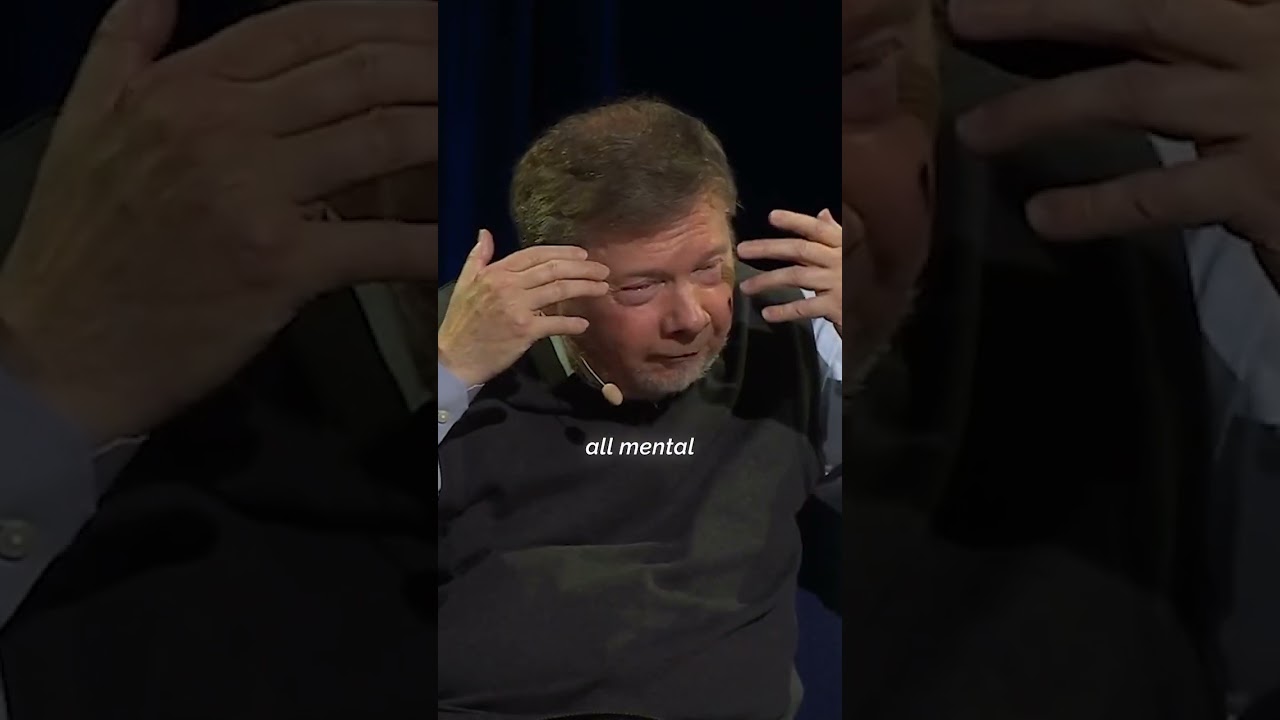
Eckhart Tolle examines why relationships sustained only by physical attraction and emotional bonding eventually plateau or deteriorate, and introduces the concept of an invisible dimension—the sensing of deeper being in your partner beyond personality and form—as the foundation for relationships that genuinely last. This presence-based connection transcends the ego's need for validation and creates a more authentic, grounded intimacy.
Why Physical and Emotional Love Alone Fall Short
Most relationships begin with intense physical attraction and emotional excitement. The neurochemistry of early bonding creates a sense of completion, as though the other person fills an inner void. Tolle points out that this stage, while pleasurable, is fundamentally unstable because it rests on external conditions—the body's appearance, the personality's charm, the emotional highs of novelty.
Over time, familiarity erodes the novelty. Physical attraction naturally fluctuates with age and circumstance. Emotional intensity cannot be maintained at the same pitch indefinitely without exhaustion. When couples rely solely on these dimensions, the relationship enters a critical phase: the spark dims, and without deeper anchors, partners often interpret this as evidence that they've chosen the wrong person or that love has died.
What Tolle suggests is that this isn't a sign of failure—it's a natural progression that invites couples toward a more substantial foundation. The question becomes: what lies beneath the personality and the body?
What Is the Invisible Dimension Tolle Describes?
The invisible dimension Tolle refers to is presence—the conscious, aware being that exists independent of thought, emotion, and form. This is not metaphysical abstraction; it is direct experience. When you are fully present with another person, you are not engaging primarily with their personality (the accumulated patterns of thought and emotional reactivity) or their body (the physical form), but with the aware, alive consciousness that inhabits and animates both.
In practical terms, this means seeing and sensing your partner beyond their roles, history, and habitual reactions. It means recognizing in them the same quality of aliveness, the same capacity for awareness, that you recognize in yourself in moments of stillness. This recognition is not sentimental or imagined; it is a quality of attention that can be cultivated and deepened.
Tolle's teaching suggests that when two people relate from this level of presence rather than from ego (the conditioned self seeking validation, control, or completion), something fundamentally different occurs. The relationship no longer depends on the other person changing, improving, or performing in a particular way to satisfy your needs. Instead, it rests on mutual recognition of being itself.
How Presence Transforms Relational Dynamics
When couples interact primarily through personality and emotional reactivity, their relationship becomes a subtle (or not-so-subtle) negotiation of needs, triggers, and defenses. The ego constantly monitors: Am I being valued? Is my partner meeting my expectations? Why are they acting this way? These questions keep attention locked in the past (where past wounds live) or the future (where anxieties about abandonment or rejection dwell).
A relationship grounded in presence operates differently. Rather than constantly interpreting your partner's behavior through the lens of your wounds and desires, presence creates space for them to be as they are in this moment. This doesn't mean accepting destructive behavior—it means approaching conflict, disappointment, and difference from a more grounded, less reactive place.
When you sense the being in your partner, you recognize that their difficult behavior is typically a symptom of their own unconsciousness, their own disconnection from presence. This recognition naturally softens judgment and opens the possibility of genuine understanding. Rather than taking their reactivity personally (a key ego move), you can respond to what is actually needed—often simply the experience of being truly seen and accepted.
The Role of Ego in Relationship Deterioration
Tolle's teaching positions the ego—the false sense of self built from thought, memory, and identity—as the primary obstacle to sustained connection. The ego in relationships operates through several familiar patterns: the need to be right, the need to be special or superior, the need to make the other person responsible for your happiness, the fear of abandonment, the need to control.
When both partners are operating from ego, the relationship becomes a collision of needs masquerading as love. Each person is looking to the other to complete them, validate them, or prove their worth. This is not a sustainable foundation because no other person can permanently satisfy these deeper existential needs. Only reconnection with presence—with the aliveness and wholeness already present beneath thought—can do that.
The invisible dimension Tolle points toward is precisely what the ego cannot see or access, because the ego is constructed from thought and form. Presence exists prior to thought, beyond form. When a partner acts from presence, they are not reinforcing the other person's ego needs; they are inviting them toward something more real.
How to Sense the Being in Your Partner
Practically, sensing the being in your partner requires the cultivation of presence in yourself. This is not a technique so much as a shift in attention. Some entry points include:
- Stillness in conversation: Rather than planning what to say next while your partner speaks, practice genuine listening. Notice the silence beneath the words. When you truly listen without agenda, you naturally connect with the presence in the other person.
- Noticing the eyes: There is a quality of aliveness that can be sensed in direct eye contact when both people are present. This is not about intensity or romance; it is about meeting the aware being looking out through those eyes.
- Shared silence: Practicing comfortable silence together—not the silence of disconnection, but of mutual presence—is one of the most direct ways to access this dimension. Many couples find that simply sitting together without talking or screens creates access to a deeper level of connection.
- Presence during difficulty: When conflict or pain arises, the presence-based approach is to pause reactivity and reconnect with the breath, with the body, with the ground beneath you. From that place, you can address the issue without the usual charge of ego.
Why This Dimension Changes Everything
Relationships that rest primarily on attraction or emotional compatibility remain conditional. They require the other person to stay young, attractive, emotionally available, and aligned with your expectations. This is an impossible standard, and inevitable disappointment follows.
Relationships that include access to the invisible dimension—the presence, the being beneath personality—become progressively more stable and satisfying. This is because presence is not dependent on conditions. The aliveness and awareness in your partner is as present during illness, aging, or difficult circumstances as it is during romance or joy. When you have learned to sense this, the relationship deepens precisely as external conditions change.
Moreover, presence-based relationships tend to reduce the accumulation of resentment, blame, and emotional wounding that characterize many long-term partnerships. When conflicts arise—and they will—they can be addressed from a place of clarity rather than reactivity, without the old patterns of attack and defense.
The Paradox: You Must First Find This in Yourself
Tolle's teaching points toward an essential paradox: you cannot genuinely sense the being in another person if you are not grounded in presence yourself. The practice, then, is not primarily relational technique, but spiritual practice. Meditation, mindfulness, conscious breathing—any practice that helps you access your own being, your own aliveness beneath thought—is the foundation.
As your own presence deepens, your capacity to recognize and respond to presence in your partner naturally unfolds. You become less reactive, less dependent on their behavior to feel okay, and more genuinely available. Paradoxically, this typically improves the relationship far more than any attempt to fix the other person or manipulate the dynamic.
Where to Go From Here
If this teaching resonates, the next steps might include exploring daily presence practices—even ten minutes of meditation or conscious breathing can begin to shift your baseline. In relationships specifically, experiment with genuine listening, with eye contact without agenda, with shared silence. Notice what shifts when you pause your interpretations and judgments and simply meet your partner as they are in this moment.
Consider too what draws you to this teaching: Are you recognizing that your relationship has become primarily transactional or personality-based? Are you sensing that something deeper is possible? These recognitions themselves are invitations toward presence. The invisible dimension Tolle describes is not distant or difficult to access—it is immediately available whenever attention turns from the mind's commentary toward direct experience of being alive, here, now.