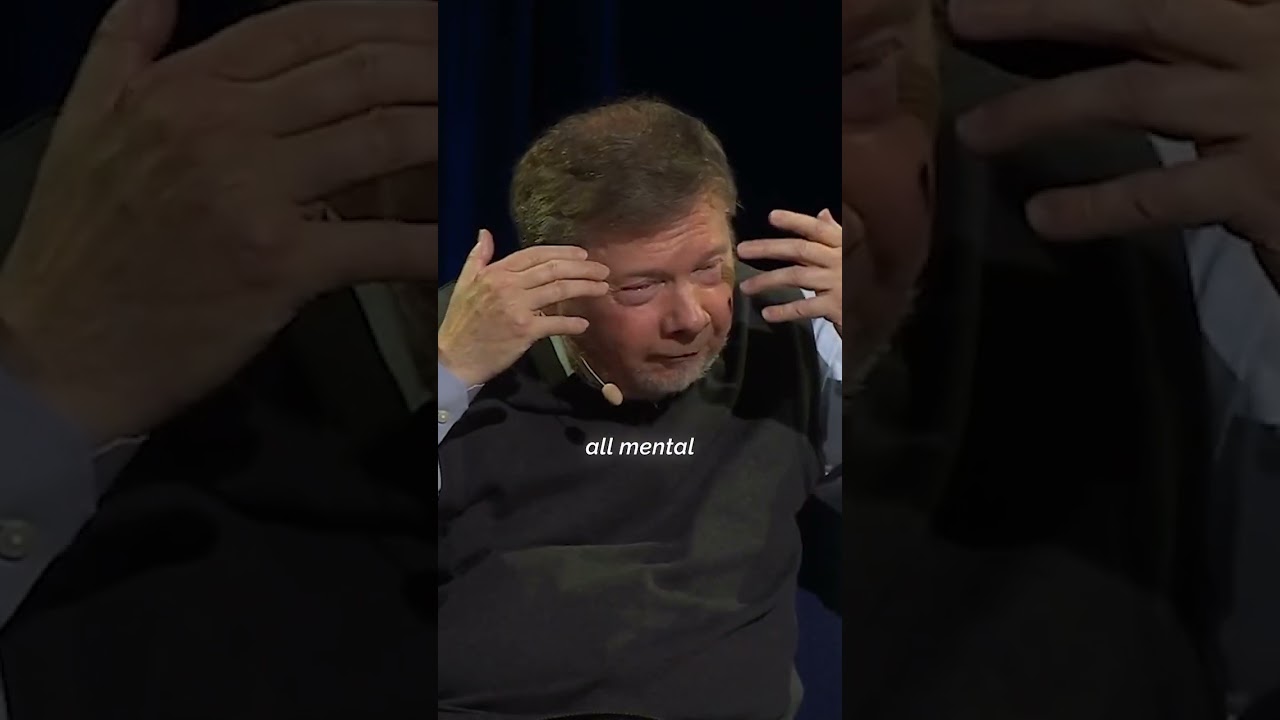
What you consume before sleep—especially violent or fearful imagery—becomes integrated into your inner psychological world and can quietly diminish your state of consciousness. Pre-sleep media consumption is not a trivial habit; it shapes the quality of your inner life and the vibrational frequency you carry into sleep and beyond.
Why Pre-Sleep Content Matters More Than You Think
Most people treat pre-sleep hours casually—scrolling through news feeds, streaming violent shows, or absorbing fear-based content without considering the consequence. Yet this period is uniquely susceptible to psychological imprinting. When you are preparing for sleep, your analytical mind begins to soften, your guard lowers, and content becomes absorbed more directly into your subconscious. Unlike daytime consumption, which you filter through active thought, pre-sleep material enters a less defended psychological space.
The content you consume in these final hours before sleep does not simply disappear. It integrates into what Eckhart Tolle describes as your "inner world"—the accumulated psychological and energetic material that constitutes your consciousness. This inner world travels with you through sleep and shapes your waking state the following day. If you flood this space with violent, fearful, or degrading imagery, you are essentially programming your subconscious with low-frequency material.
How Violent and Fearful Images Lower Consciousness
Violence and fear-based content operate on the nervous system at a primal level. When you watch violent imagery, your body does not distinguish between witnessing actual danger and simulated danger on a screen. Your amygdala, the brain's threat-detection center, activates. Your heart rate may increase. Stress hormones like cortisol and adrenaline begin to circulate. This physiological arousal does not simply end when the show finishes.
In the pre-sleep window, this activation is particularly problematic. Your body is meant to be preparing for parasympathetic rest—the "rest and digest" state—but violent media keeps you in sympathetic activation, the "fight or flight" state. This creates a dissonance between what your body is being told (danger, threat, aggression) and what it needs (calm, safety, restoration). Over time, this chronic pre-sleep dysregulation becomes normalized.
Beyond physiology, violent and fearful content lowers consciousness in a subtler sense. Consciousness, in Tolle's framework, refers to presence, awareness, and alignment with what is actually happening now. Fear and violence pull you out of presence and into contraction, into a state of psychological defense. They activate the ego's survival mechanisms. When you take this contracted state into sleep, your consciousness itself becomes diminished—less expansive, less peaceful, less aligned with your true nature.
The Subconscious Integration of Pre-Sleep Media
The subconscious mind does not process information the way your waking mind does. It does not critique, analyze, or contextualize. It absorbs and records. During sleep, the brain consolidates memories and integrates experiences. If your last conscious input before this consolidation process was violent or fear-based content, that becomes woven into your psychological fabric.
This is not to say that watching a single violent movie will damage you irreparably. But habitual consumption—the nightly ritual of doom-scrolling, true-crime shows, or violent entertainment before bed—creates a cumulative effect. Your inner world gradually takes on the texture and frequency of the material you feed it. You may wake feeling vaguely anxious, irritable, or depressed without understanding why. The source often lies in what you consumed hours before you lost consciousness.
What Counts as Problematic Pre-Sleep Content?
Problematic pre-sleep content is anything that activates fear, aggression, despair, or shame. This includes obvious categories like violent films or graphic news, but also subtler forms: highly charged political arguments, content designed to trigger outrage, disturbing social media threads, or even passive consumption of others' trauma. The common thread is activation—pulling you out of equilibrium and into emotional or psychological agitation.
It is worth noting that what affects one person may not affect another to the same degree. Some people are more sensitive to content; some have more resilient nervous systems. But the principle holds: if content leaves you feeling disturbed, contracted, or reactive, it is not suitable for pre-sleep consumption. The question to ask is not "Is this objectively harmful?" but "What is this doing to my inner state right now?"
Creating a Pre-Sleep Practice Aligned With Consciousness
If pre-sleep media lowers consciousness, the inverse is also true: intentional pre-sleep practices can elevate and stabilize it. This does not require elaborate rituals. Even simple shifts matter: replacing news feeds with something neutral or nourishing, choosing comedy or gentle content over drama or violence, or simply putting screens away earlier to create space for quiet.
Some people find that reading (fiction or non-fiction that does not agitate) serves as a better pre-sleep activity than video, as it engages a different part of the brain. Others prefer silence, gentle music, or contemplative practice. The key is that whatever you choose should move you toward calm, presence, and inner peace rather than away from it.
The practice becomes more about conscious choice than restriction. You are not denying yourself entertainment; you are protecting the quality of your inner world and the state of consciousness you carry into sleep and wake with the next morning. This is an act of self-respect and awareness.
The Cumulative Effect on Your Daily Consciousness
Sleep is not simply a biological reset button; it is an integration period. What you absorb before sleep shapes not only your sleep quality but the texture of your consciousness the next day. If you habitually consume low-frequency content before bed, you will likely notice a general lowering of your baseline state—less patience, more reactivity, less capacity for presence, more background anxiety.
Conversely, when you protect your pre-sleep hours and feed your inner world with content aligned with consciousness—or better yet, with silence and inner stillness—you wake with a different quality of presence. Your nervous system is better regulated. Your emotional baseline is higher. You have more access to clarity and calm throughout the day.
This is not mystical; it is how consciousness actually works. Your inner world is not separate from your outer experience. The states you cultivate internally become the lens through which you perceive and interact with reality. Pre-sleep consumption is one of the most direct ways to shape that lens, because you are working with a psyche that is open, undefended, and preparing to consolidate and integrate whatever you give it.
Where to Go From Here
Begin by noticing what you currently consume in the hour before sleep. Observe the quality of your inner state after consumption, and track how you feel upon waking. If you detect a pattern of agitation, poor sleep quality, or low-frequency waking consciousness, consider an experiment: replace your pre-sleep media for one week with something neutral or nourishing, or with stillness and silence. Notice what changes. The shift, while simple, is often striking. Your inner world is always responding to what you feed it. Make that feeding intentional, and you will find your consciousness reflecting that intention.